
Kilimanjaro Trekking Packages & Luxury Climbing Tours
Complete Guide to Climbing Mount Kilimanjaro
Experience the ultimate African adventure with Mount Kilimanjaro climbing, a once-in-a-lifetime journey to the highest peak in Africa. Rising 5,895 meters above sea level, Mount Kilimanjaro attracts trekkers worldwide seeking challenge, achievement, and breathtaking scenery. Popular routes like Machame, Marangu, and Lemosho offer diverse landscapes, from lush rainforests to alpine deserts and icy glaciers. Our guided Kilimanjaro trekking tours provide expert guides, acclimatization support, quality camping equipment, and high summit success rates. Whether you are a beginner or experienced hiker, Mount Kilimanjaro climbing delivers adventure, personal triumph, and unforgettable panoramic views across Tanzania’s spectacular wilderness.
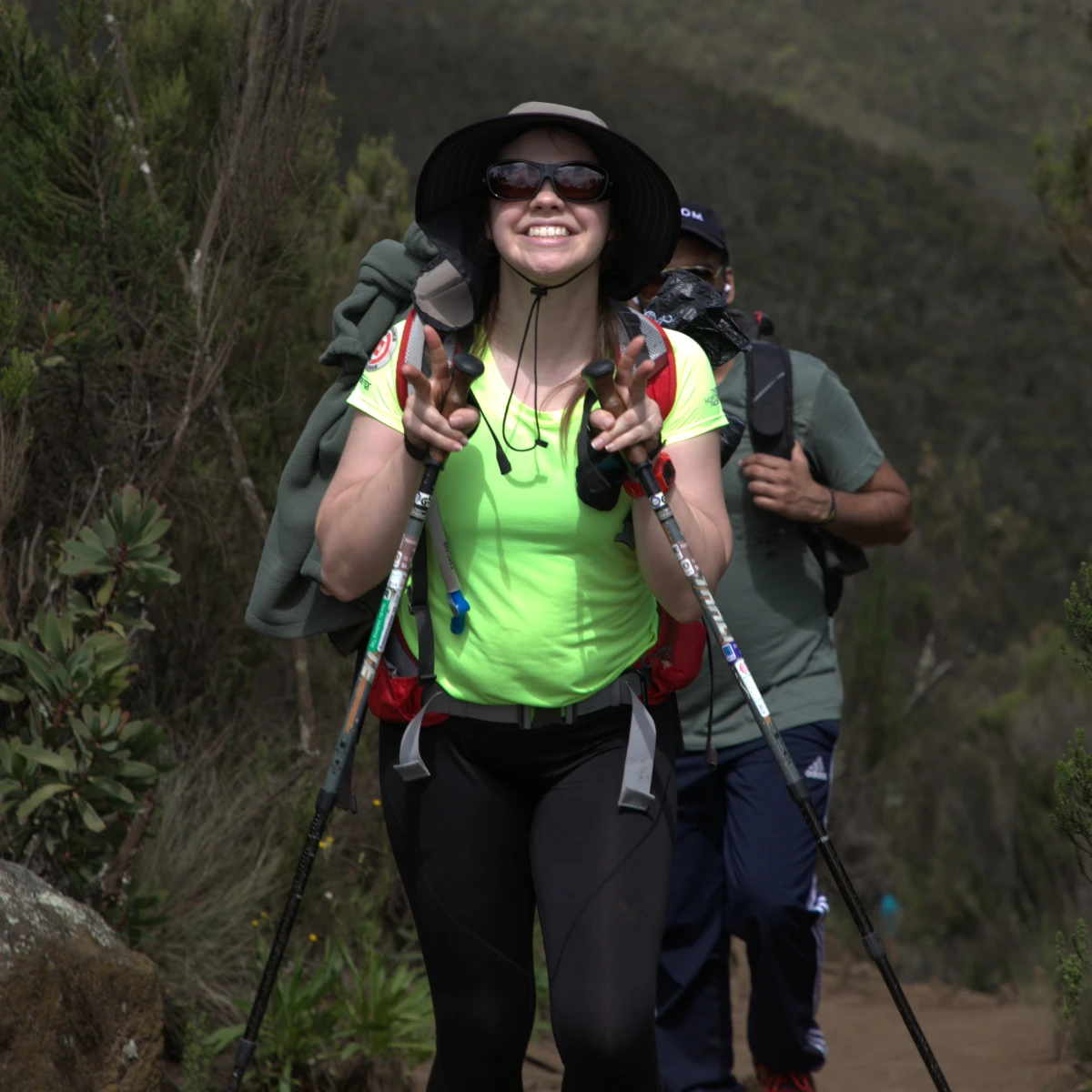
What Makes Kilimanjaro Climbing Special?
- Climbing Kilimanjaro offers an unforgettable adventure through diverse ecosystems, from lush rainforests and moorlands to alpine deserts, culminating at the snow-capped summit, providing trekkers with breathtaking panoramic views, a profound sense of accomplishment, and a rare opportunity to connect deeply with Africa’s natural beauty and wildlife.
- Kilimanjaro’s non-technical routes make it accessible to moderately fit adventurers, allowing a wide range of travellers to experience summit success safely while enjoying expert guides, comfortable trekking camps, and the unique challenge of ascending Africa’s highest peak, offering both personal achievement and the thrill of high-altitude exploration.
- The mountain’s extraordinary biodiversity captivates climbers, with tropical forests, rare birds, giant lobelias, and unique alpine plants along the way, transforming the trek into an immersive journey through Africa’s ecosystems, offering abundant photography opportunities and an enriching nature experience that extends far beyond the summit itself.
- Standing atop Uhuru Peak at sunrise is a once-in-a-lifetime spectacle, as the first golden light illuminates the African plains below, evoking awe, emotional triumph, and an unmatched sense of connection with nature, making Kilimanjaro not just a climb, but a life-changing adventure.
More things to do and see
Kilimanjaro’s trekking routes offer diverse and breathtaking landscapes, ranging from lush rainforest paths and rolling moorlands to rugged volcanic slopes. Along the journey, hikers witness panoramic valleys, dramatic cliffs, and sparkling streams. Each trail provides unique photographic opportunities, awe-inspiring vistas, and moments to immerse in nature’s tranquillity, making the climb not only a physical challenge but a visually unforgettable adventure.
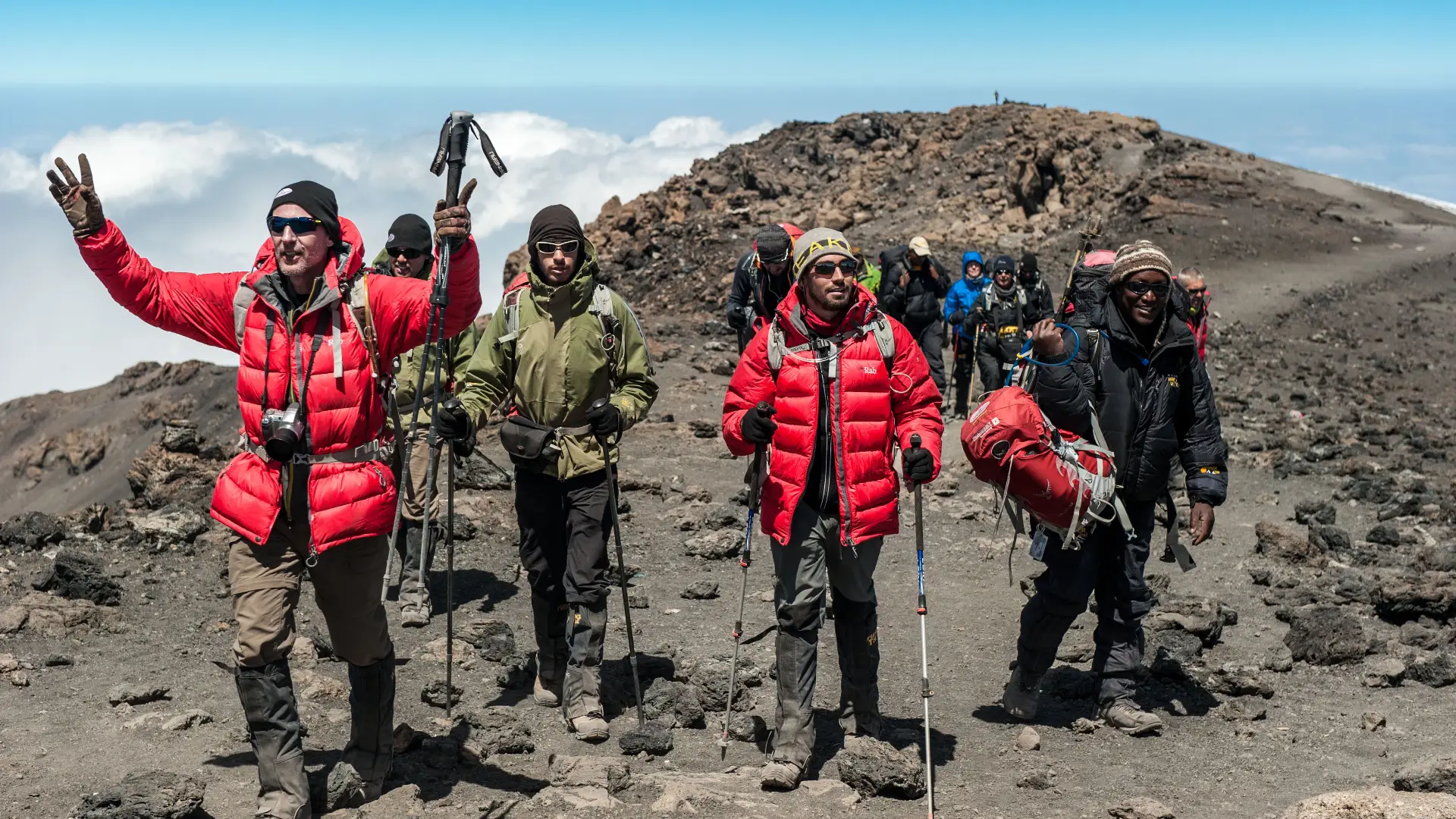
As you ascend Kilimanjaro, you traverse five distinct climate zones, each with its own ecosystem and charm. From tropical rainforest at the base to alpine deserts and the snowy summit, the changing flora and fauna create a rare natural journey. Experiencing these zones highlights the mountain’s ecological diversity, providing educational insights and immersive opportunities for hikers to connect deeply with Africa’s natural environments.
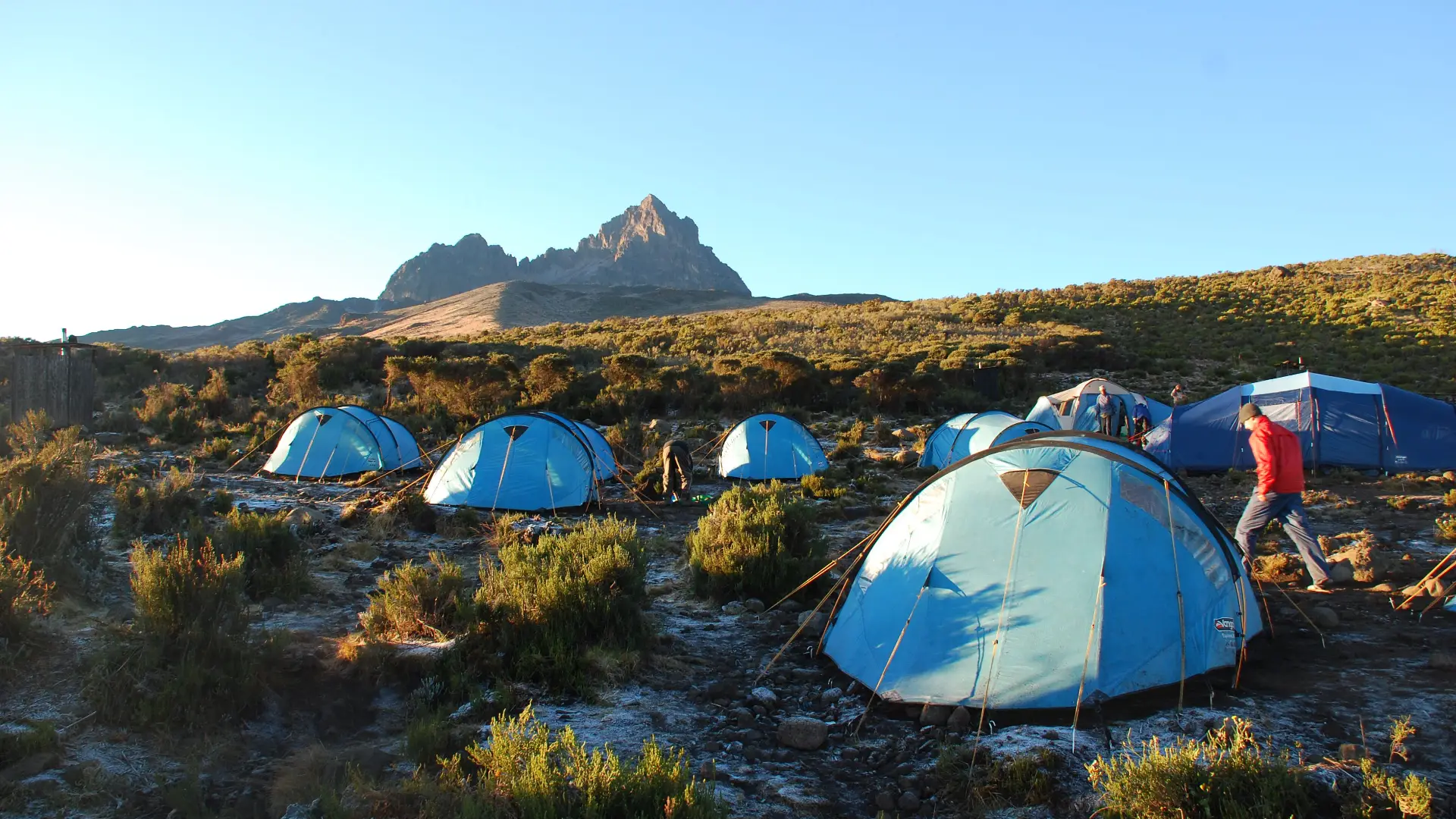
Kilimanjaro is home to unique and rare wildlife, including the elusive Kilimanjaro shrew, tree hyraxes, birds, and endemic plants. Trekkers may spot colobus monkeys, colourful sunbirds, and giant lobelias while navigating trails. Wildlife encounters enrich the hiking experience, offering close interaction with untouched ecosystems and providing photographers and nature enthusiasts the chance to capture extraordinary, unforgettable glimpses of Africa’s high-altitude fauna.
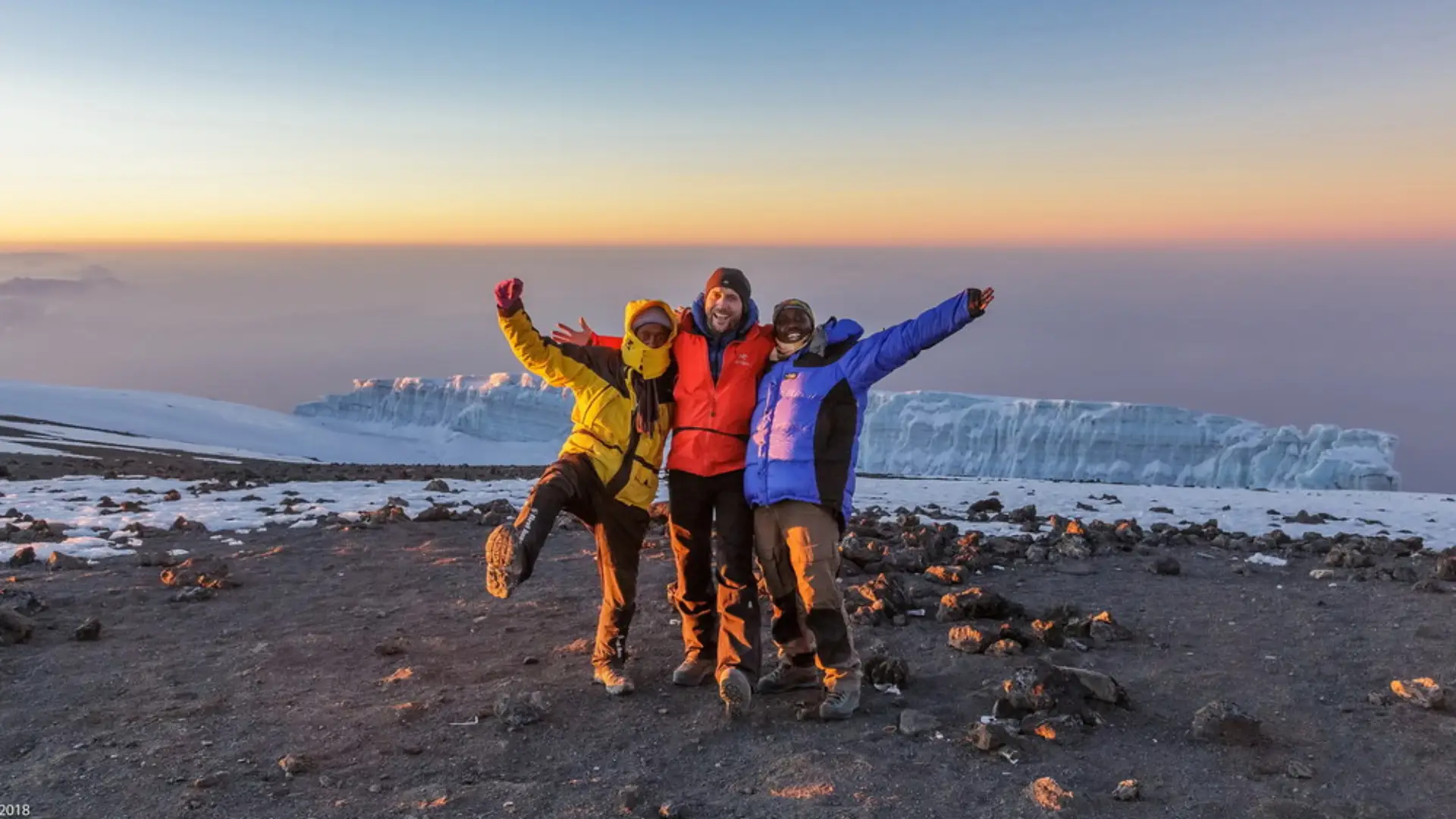
Reaching Uhuru Peak delivers a transformative experience, with 360-degree views of Tanzania and beyond. From the snow-covered summit, climbers witness vast plains, volcanic landscapes, and distant mountains. The combination of achievement, panoramic scenery, and rare high-altitude vistas creates a profound emotional connection with nature, making Kilimanjaro summits a bucket-list adventure cherished by trekkers from around the world seeking unforgettable memories.
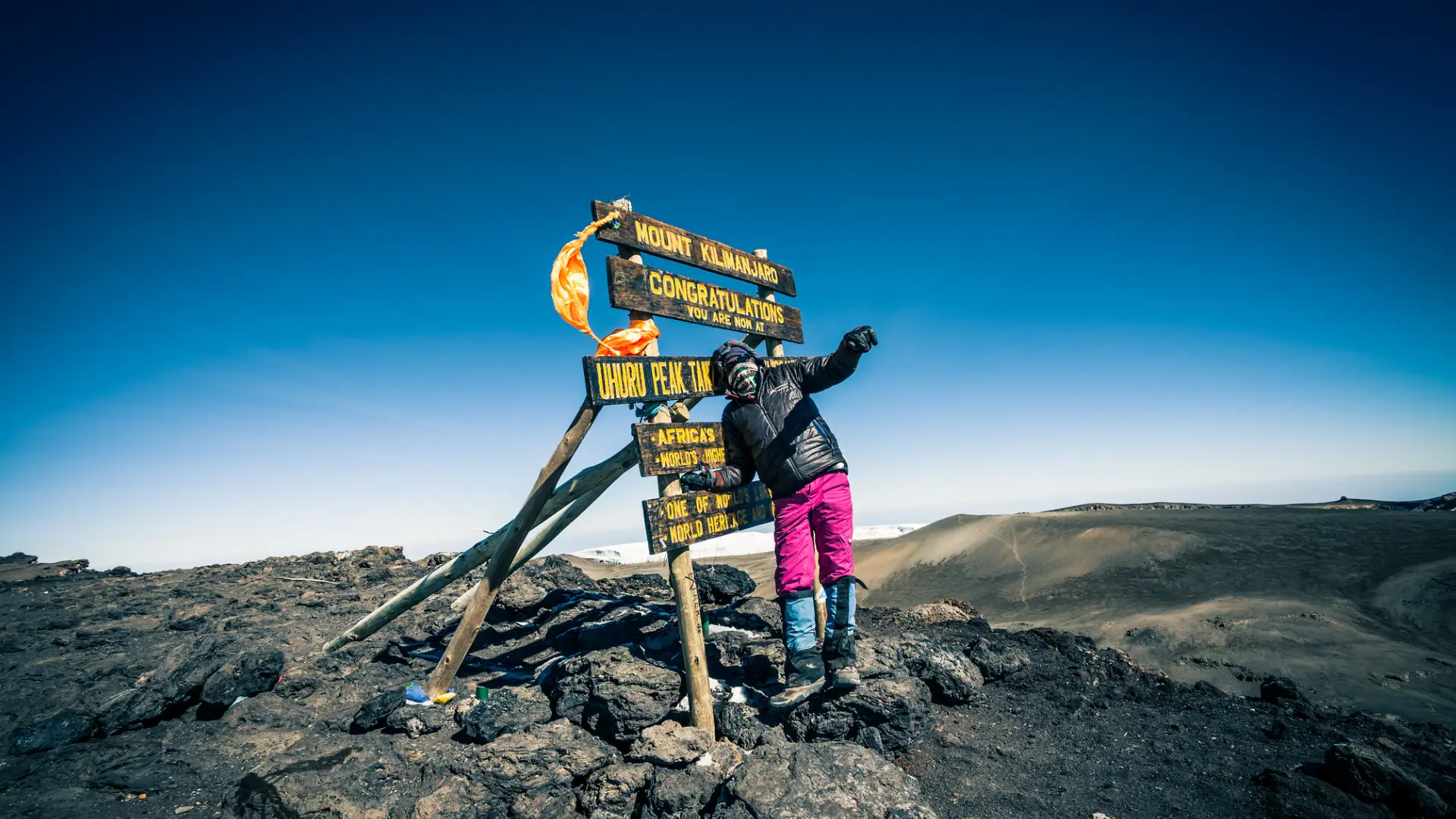
Watching the sunrise from Kilimanjaro is a magical experience. As early morning light pierces through clouds, the mountain’s ridges glow golden, revealing misty valleys and distant peaks. The surreal combination of colour, altitude, and tranquillity creates breathtaking photographic moments and unforgettable memories. Sunrise views reward climbers for their effort, offering moments of reflection, awe, and appreciation for the mountain’s grandeur and natural beauty.
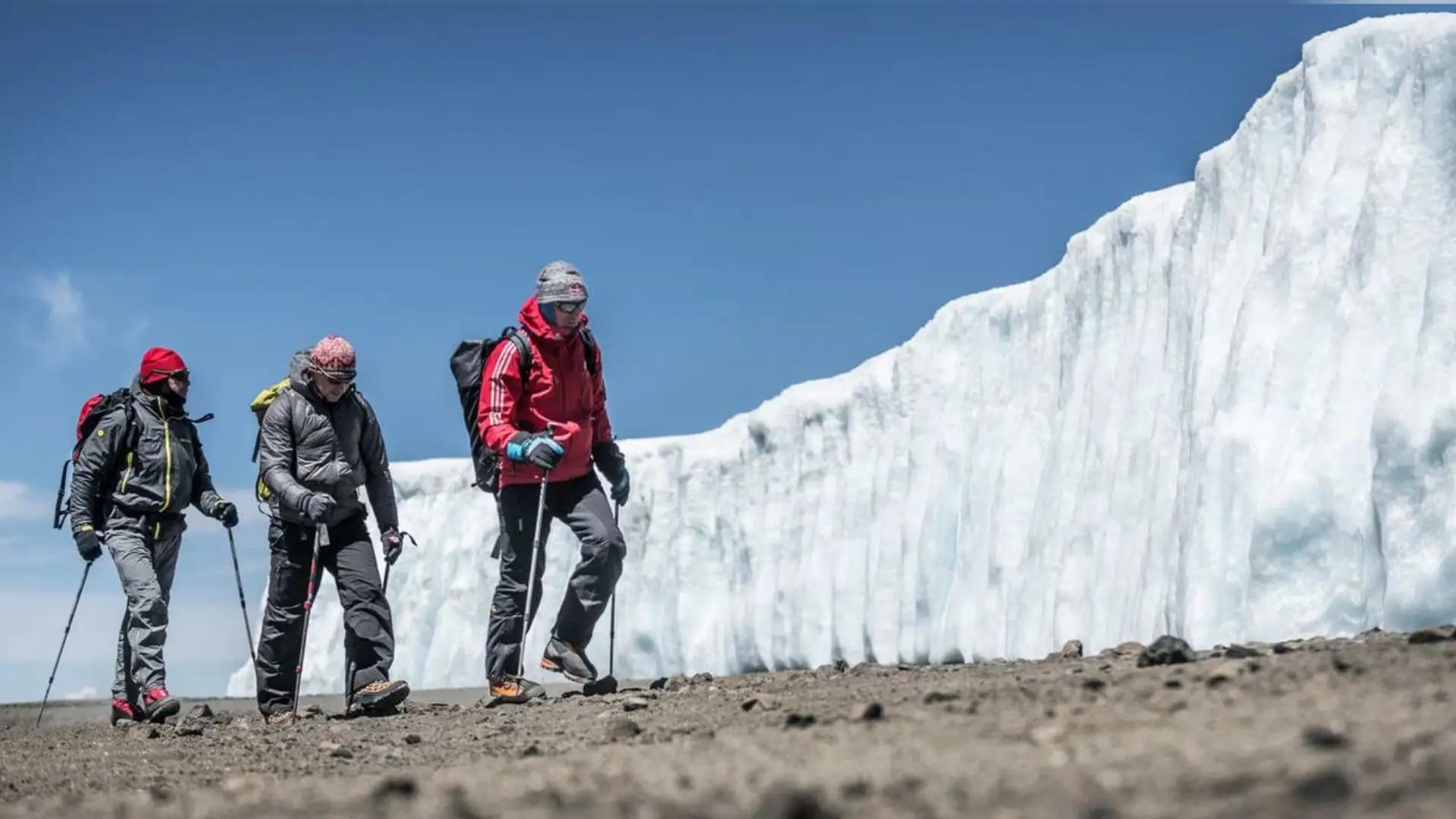
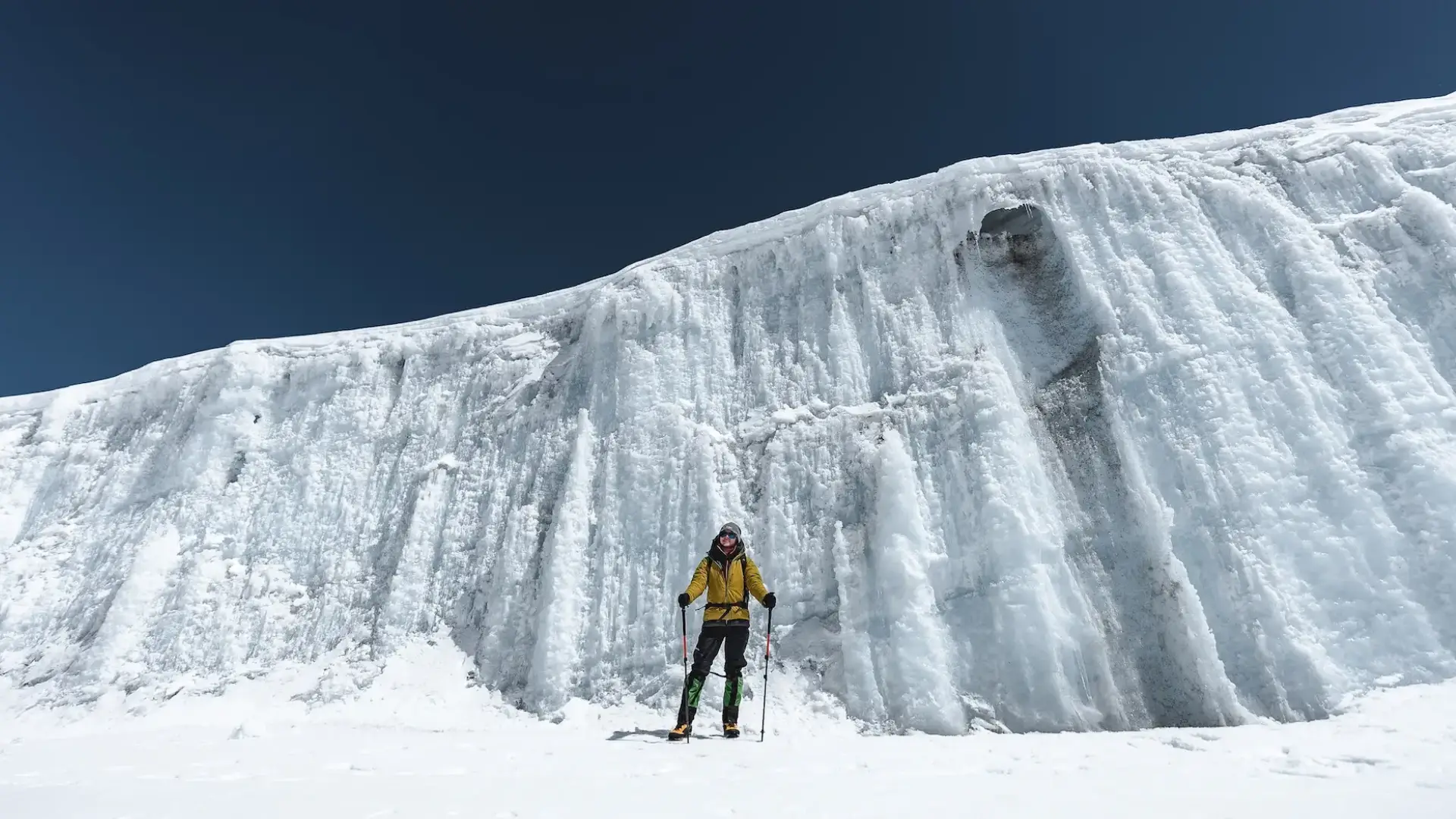
Climbing Kilimanjaro challenges endurance, mental strength, and adaptability, rewarding hikers with personal achievement and unmatched adventure. The trek involves navigating varying terrains, altitude acclimatization, and changing weather conditions, building resilience and confidence. Each day offers unique milestones, from trekking through forests to reaching the summit, culminating in an empowering experience where physical effort meets spiritual satisfaction, making it one of Africa’s most iconic and life-changing journeys.
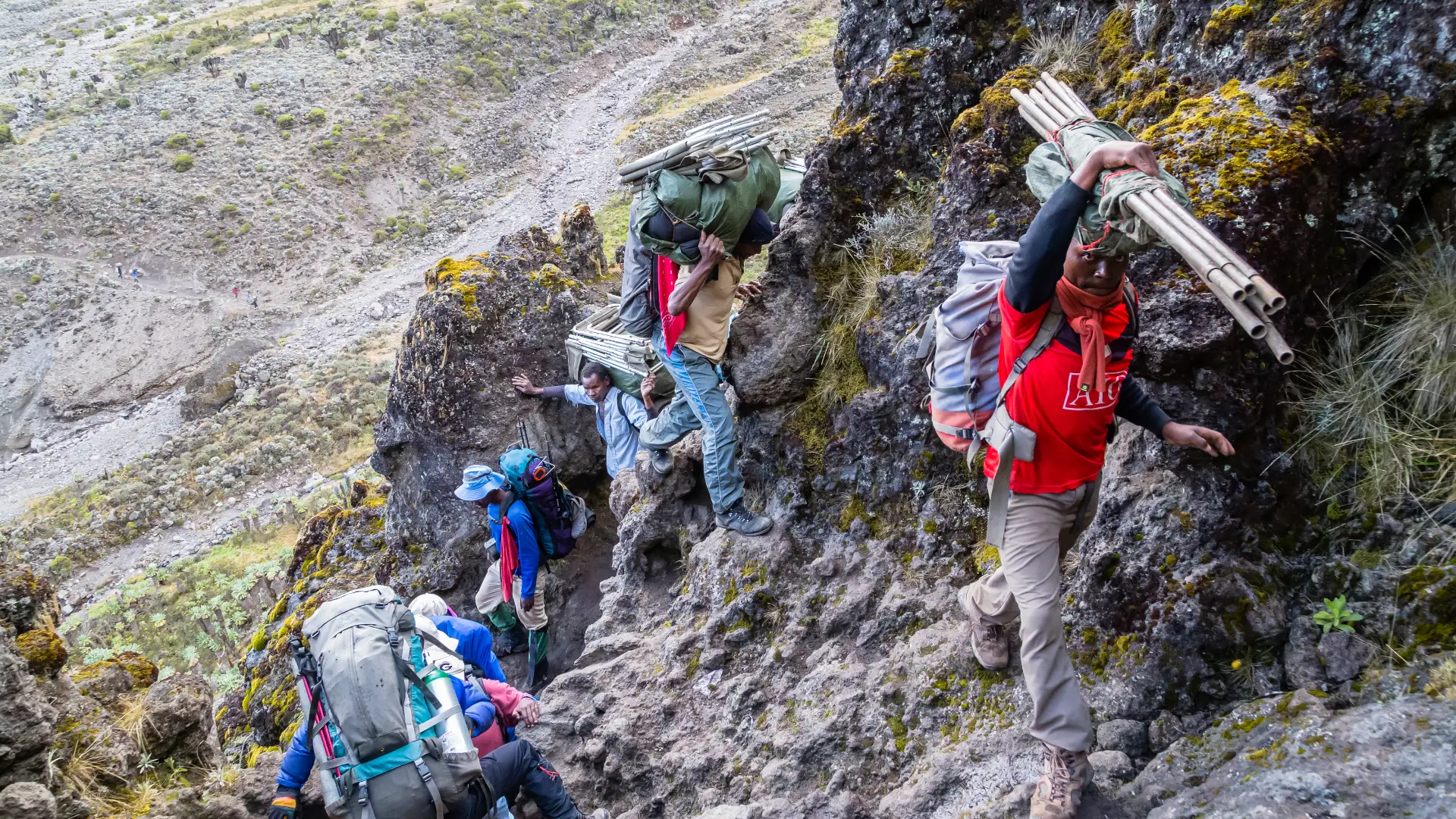
Kilimanjaro treks provide meaningful cultural immersion through interactions with local Chagga guides and porters. Climbers learn about traditional farming, folklore, and mountain heritage, gaining insights into Tanzania’s vibrant culture. Guides share personal stories, legends, and ecological knowledge, enriching the journey beyond physical adventure. These encounters foster appreciation for local communities, creating authentic, educational, and heartwarming experiences that complement the mountain’s natural wonders and unforgettable landscapes.
- Tanzania
- Tanzania
- Tanzania
- Tanzania
- Tanzania
Mount Kilimanjaro climbing FAQS
How difficult is Mount Kilimanjaro climbing?
Mount Kilimanjaro climbing is considered a non-technical trek, meaning no ropes or advanced mountaineering skills are required. However, reaching the 5,895-meter summit is physically demanding due to high altitude, long trekking days, and cold temperatures near the peak. The main challenge is altitude sickness, which can affect climbers regardless of fitness level. Choosing longer routes like Lemosho or Machame improves acclimatization and increases summit success rates. With proper training, mental preparation, and professional guides, many climbers successfully reach Uhuru Peak and achieve the dream of standing on Africa’s highest mountain.
What is the best time to climb Mount Kilimanjaro?
The best time for Mount Kilimanjaro climbing is during Tanzania’s dry seasons: January to March and June to October. These months offer clearer skies, lower rainfall, and better trail conditions. January to March is slightly colder with fewer crowds, while June to October provides stable weather and excellent summit visibility. Although climbing is possible year-round, the rainy seasons (April to May and November) bring muddy trails and reduced visibility. Choosing the right season significantly increases comfort, safety, and overall summit success, ensuring an unforgettable trekking experience.
Which Kilimanjaro route is best for summit success?
Several routes lead to the summit of Mount Kilimanjaro, each offering unique scenery and difficulty levels. The Lemosho Route is highly recommended for its gradual acclimatization and high success rates. The Machame Route is popular for its scenic beauty and moderate challenge. The Marangu Route provides hut accommodations instead of camping. Longer routes allow better altitude adjustment, increasing the chances of reaching Uhuru Peak. The best route depends on fitness level, time availability, and personal preference. Consulting experienced tour operators ensures the most suitable choice.
What should I pack for Mount Kilimanjaro climbing?
Proper gear is essential for a successful Mount Kilimanjaro climbing expedition. Climbers need layered clothing for changing temperatures, including thermal base layers, insulated jackets, waterproof outerwear, gloves, and warm hats. High-quality hiking boots, trekking poles, and moisture-wicking socks are crucial for comfort. A warm sleeping bag rated for sub-zero temperatures is required for summit night. Other essentials include sunscreen, sunglasses, hydration systems, and personal medications. Tour operators typically provide tents, meals, and camping equipment. Packing correctly ensures safety, comfort, and better performance during the trek.
Is Mount Kilimanjaro climbing safe?
Yes, Mount Kilimanjaro climbing is generally safe when organized with licensed and experienced guides. Professional teams monitor climbers daily for signs of altitude sickness and enforce acclimatization schedules. Emergency oxygen, first-aid kits, and evacuation plans are standard with reputable operators like Face of Africa Adventures. Following the guide instructions, maintaining a slow pace, staying hydrated, and choosing longer routes improve safety and success rates. While altitude presents challenges, thousands of climbers safely reach the summit each year. With preparation, proper gear, and expert support, climbing Mount Kilimanjaro becomes a rewarding and life-changing adventure experience.
Learn More
Talk to an Expert
Ready to plan your dream safari? Talk to an expert today and get personalized advice, insider tips, and guidance on destinations, accommodations, and activities. Whether it’s Tanzania, Kenya, Uganda or Rwanda, our specialists will help you craft an unforgettable wildlife adventure. Don’t wait—start your journey with confidence and expert support now!
Exploring Top Destinations
9 National Park
4 National Park
4 National Park
4 National Park


Here is What Other Travelers Say
The Journey You Imagine
It starts with your ideas. We turn them into an authentic safari filled with wonder, freedom, and wild beauty.
Our Latest Blog Posts