How Much Does It Cost to Climb Mount Kilimanjaro? A Complete 2027 Price Guide
Climbing Mount Kilimanjaro is a dream adventure for many travelers. Standing at 5,895 meters (19,341 feet) above sea level, Mount Kilimanjaro is the highest mountain in Africa and one of the world’s most famous trekking destinations.
But before planning your adventure, one important question comes to mind: How much does it cost to climb Mount Kilimanjaro?
The total cost depends on your chosen route, the number of days on the mountain, group size, accommodation, and the services included in your package. International flights, travel insurance, climbing equipment, and tips can also affect your budget.
In this guide, Face of Africa Adventures explains the main costs of climbing Kilimanjaro, the most popular routes, and how to choose a package that fits your budget without compromising safety.
1. How Much Does It Cost to Climb Mount Kilimanjaro?
For planning purposes, many travelers should budget approximately US$2,000–US$4,000 per person for a guided climb, excluding international flights. Budget options may cost less, while longer or more personalized climbs can cost significantly more.
Here is a general guide to climbing costs:
| Climbing package | Estimated cost per person |
|---|---|
| Budget group climb | $1,500–$2,000 |
| Standard guided climb | $2,000–$3,000 |
| Premium or private climb | $3,000–$5,000+ |
| International flights | $600–$1,500+ |
| Equipment and personal expenses | $200–$600 |
These are indicative planning estimates, not live quotations. Actual prices vary by route, duration, season, operator, and inclusions. Some packages include additional accommodation, transfers, meals, or equipment.
When comparing prices, check exactly what is included. A lower advertised price may exclude airport transfers, hotel nights, equipment rental, or other services.
2. What Is Included in a Kilimanjaro Climbing Package?
A professionally organized Kilimanjaro climb involves much more than reaching the mountain and walking to the summit. Several essential services contribute to the total cost.
Kilimanjaro National Park fees
Park fees are one of the largest expenses. Depending on the route and itinerary, charges may include conservation fees, camping or hut fees, rescue fees, and applicable taxes.
These charges are generally incorporated into the price of a guided climbing package.
Professional guides and mountain crew
Your climbing team usually includes experienced mountain guides, porters, and cooks. They help manage the trek, carry essential supplies, prepare meals, and support climbers throughout the journey.
The size of the crew depends on the group, route, and services provided.
Accommodation and meals
Most climbers stay in a hotel in Moshi or Arusha before and after the trek. Accommodation on the mountain depends on the route.
The Marangu Route uses mountain huts, while routes such as Machame and Lemosho generally involve camping.
Meals during the climb are normally included in a guided package.
Transportation
A typical package includes transfers between the hotel and the mountain gate. Airport transfers may also be included, depending on the operator and package.
Safety equipment and support
Professional operators arrange essential safety procedures and equipment appropriate to their services. Ask about guide-to-climber ratios, emergency oxygen, first-aid provisions, and procedures for altitude-related illness.
Personal hiking equipment may be available for rent at an additional cost.
3. How Does the Route Affect the Cost?
Mount Kilimanjaro has several established climbing routes. Each offers a different experience, itinerary, and price.
Machame Route
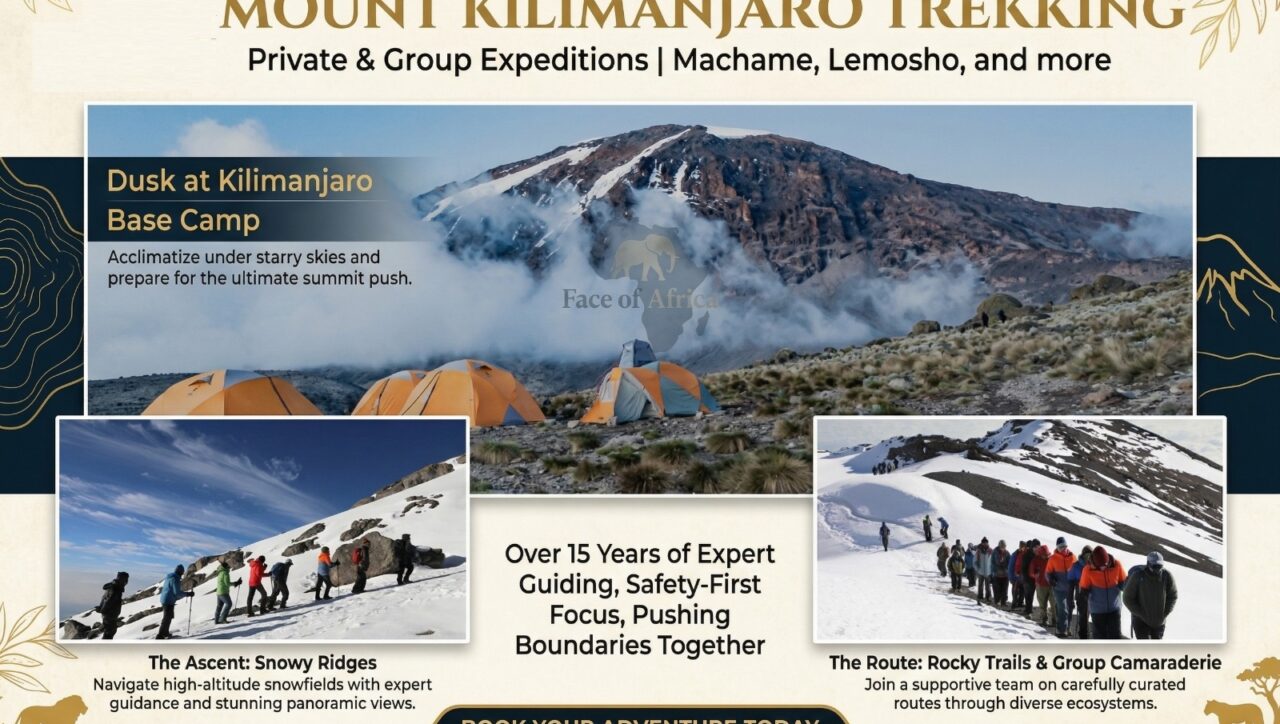
The Machame Route is popular with climbers who want scenic landscapes and a camping experience. It usually takes six or seven days, although a longer itinerary may provide more time for acclimatization.
Estimated package cost: $1,800–$3,000 per person.
Marangu Route
The Marangu Route is known for its mountain hut accommodation. It is often completed in five or six days, although additional acclimatization time is worth considering.
Estimated package cost: $1,700–$2,800 per person.
Lemosho Route
The Lemosho Route approaches the mountain from the west and is known for its beautiful scenery and gradual approach. Many itineraries take seven or eight days.
Estimated package cost: $2,200–$3,500 per person.
Northern Circuit Route
The Northern Circuit is a longer route that explores quieter areas of the mountain and offers an extended acclimatization itinerary. Climbs commonly take eight to nine days or longer, depending on the itinerary.
Estimated package cost: $2,500–$4,000+ per person.
Route prices are approximate examples for planning. Confirm current park charges and package inclusions with your tour operator before booking.
4. Is It Cheaper to Climb Kilimanjaro in a Group?
Yes. Joining a group climb can reduce the cost per person because certain expenses, such as guides, transportation, and logistical support, can be shared.
A private climb generally offers more flexibility over departure dates, group pace, and itinerary arrangements, but it may cost more per traveler.
If you are traveling alone, ask whether you can join a scheduled group departure. Couples, friends, and families can also request a private quotation to compare the options.
5. What Additional Expenses Should You Budget For?
Even when your climbing package is booked, there may be extra expenses to consider.
- International flights: Prices depend on your departure country and travel dates.
- Travel insurance: Choose a policy that explicitly covers high-altitude trekking to at least 6,000 meters and emergency evacuation.
- Accommodation before and after the climb: Check how many hotel nights are included.
- Climbing equipment: Warm layers, waterproof clothing, hiking boots, gloves, and a suitable sleeping bag may be needed.
- Tips for the mountain crew: Budget separately and ask your operator for current tipping guidance.
- Visa and personal expenses: Requirements depend on your nationality and travel arrangements.
- Safari extensions: If you plan to visit Serengeti National Park, Ngorongoro Crater, or Tarangire National Park, allow for an additional budget.
Planning for these expenses in advance helps you avoid surprises during your trip.
6. When Is the Best Time to Climb Kilimanjaro?
Kilimanjaro can be climbed throughout much of the year, but weather conditions vary by season.
The commonly preferred climbing periods are January to early March and June to October. These periods often offer more favorable trekking conditions, although weather is never guaranteed.
April and May are generally wetter months, while November can also bring rain. Quieter periods may appeal to travelers who prefer fewer climbers, but conditions should be considered carefully.
The best departure date depends on your schedule, preferred route, weather expectations, and availability.
7. How Can You Save Money on a Kilimanjaro Climb?
Climbing Kilimanjaro does not have to mean choosing the most expensive package. Consider these practical ways to manage your budget.
Book a group departure. Sharing certain operating costs can make the climb more affordable.
Choose your route carefully. Compare the total price, itinerary length, scenery, and acclimatization opportunities rather than choosing solely by price.
Bring suitable equipment from home. Renting essential equipment can be convenient, but bringing gear you already own may reduce expenses.
Compare package inclusions. Ask different operators for itemized quotations so you can compare like-for-like services.
Allow enough time for acclimatization. Avoid choosing an itinerary simply because it is the shortest or cheapest. A suitable itinerary can help you adjust to the altitude, although no itinerary eliminates the risk of altitude sickness.
Combine your climb with a longer Tanzania trip only if it suits your budget. A safari or Zanzibar extension can make your journey more memorable, but it will increase the overall cost.
8. Is Climbing Mount Kilimanjaro Worth the Cost?
For many travelers, climbing Kilimanjaro is a once-in-a-lifetime experience. The journey takes you through changing landscapes, from cultivated foothills and rainforest to alpine desert and the glaciers near the summit.
Reaching Uhuru Peak is a remarkable achievement, but the experience is about more than standing at the top. It involves preparation, perseverance, teamwork, and experiencing one of Africa’s most iconic natural landmarks.
Choose a reputable operator, understand the services included in your package, and give yourself enough time to prepare for the physical and altitude-related challenges.
9. Book Your Mount Kilimanjaro Climb with Face of Africa Adventures
Ready to plan your Kilimanjaro adventure?
Face of Africa Adventures can help you choose a suitable route, plan the number of days on the mountain, and arrange a guided climbing package based on your travel dates and budget.
Whether you are considering the Machame, Marangu, Lemosho, or Northern Circuit Route, our team can help you compare your options and understand what is included before you book.
Request your personalized Kilimanjaro climbing quotation today.
Contact Face of Africa Adventures to discuss your preferred route, travel dates, group size, and budget. Let us help you plan your journey to the Roof of Africa.
Start planning your Mount Kilimanjaro climb with Face of Africa Adventures today!