Loading...

Tanzania Luxury Safaris

Luxury Safari in Tanzania – Discover Africa in Style

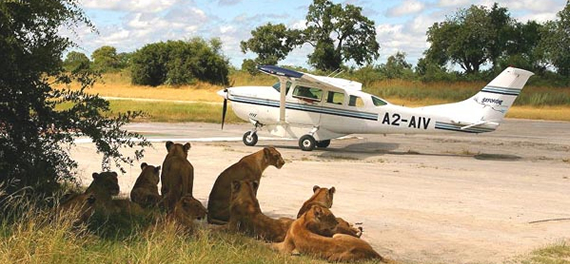
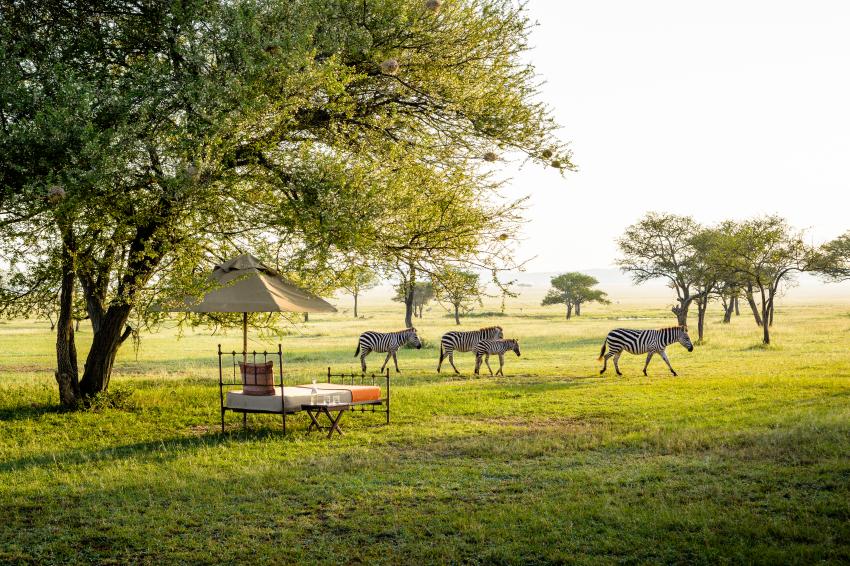
Embark on the ultimate Luxury Safari in Tanzania—a private, tailor‑made experience through iconic landscapes like Serengeti, Ngorongoro Crater, Tarangire, and Lake Manyara. Stay in 5‑star lodges, enjoy gourmet dining, sunrise hot‑air balloon safaris, and unlimited game drives. Ideal for honeymooners, luxury travelers, and wildlife enthusiasts alike.

Experience the wild in unmatched comfort with a Luxury Safari in Tanzania — where adventure meets elegance. From private game drives across the Serengeti to nights spent in world-class safari lodges under star-filled skies, our tailor-made luxury safaris are crafted for those who seek extraordinary experiences without compromising on comfort.
Luxury Safari in Tanzania

Why Choose a Luxury Safari in Tanzania?

Experience the wild in unmatched comfort with a Luxury Safari in Tanzania — where adventure meets elegance. From private game drives across the Serengeti to nights spent in world-class safari lodges under star-filled skies, our tailor-made luxury safaris are crafted for those who seek extraordinary experiences without compromising on comfort.
✔️ Private and Personalize
Every journey is custom-designed to suit your preferences — from your travel dates and route to your choice of luxury camps and activities. With a private safari vehicle and guide, you'll explore the wilderness at your own pace.

✔️ Iconic Safari Parks
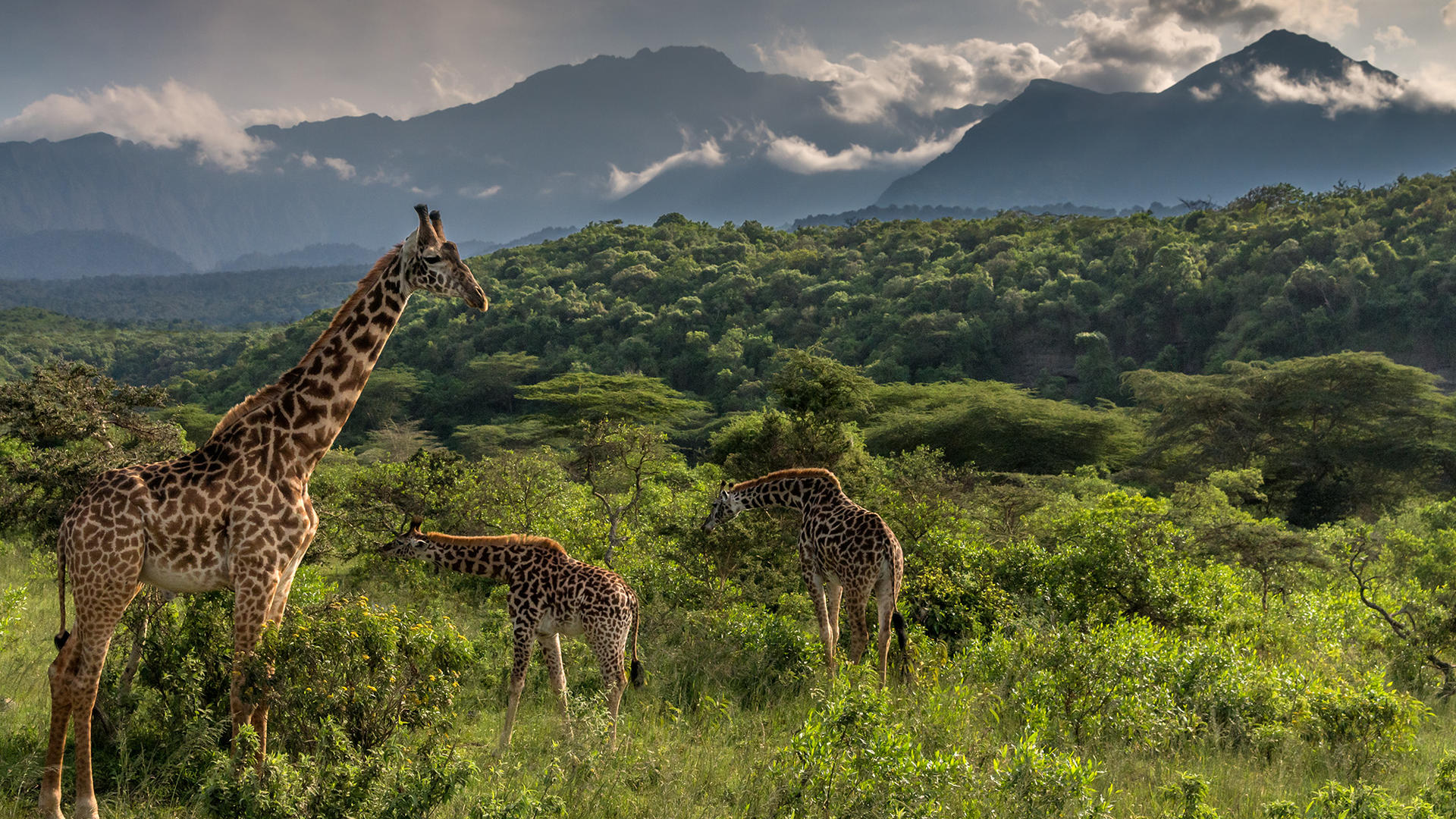
Your luxury safari takes you through the most spectacular parks in Africa:

✔️ Luxury Safari Lodges & Camps
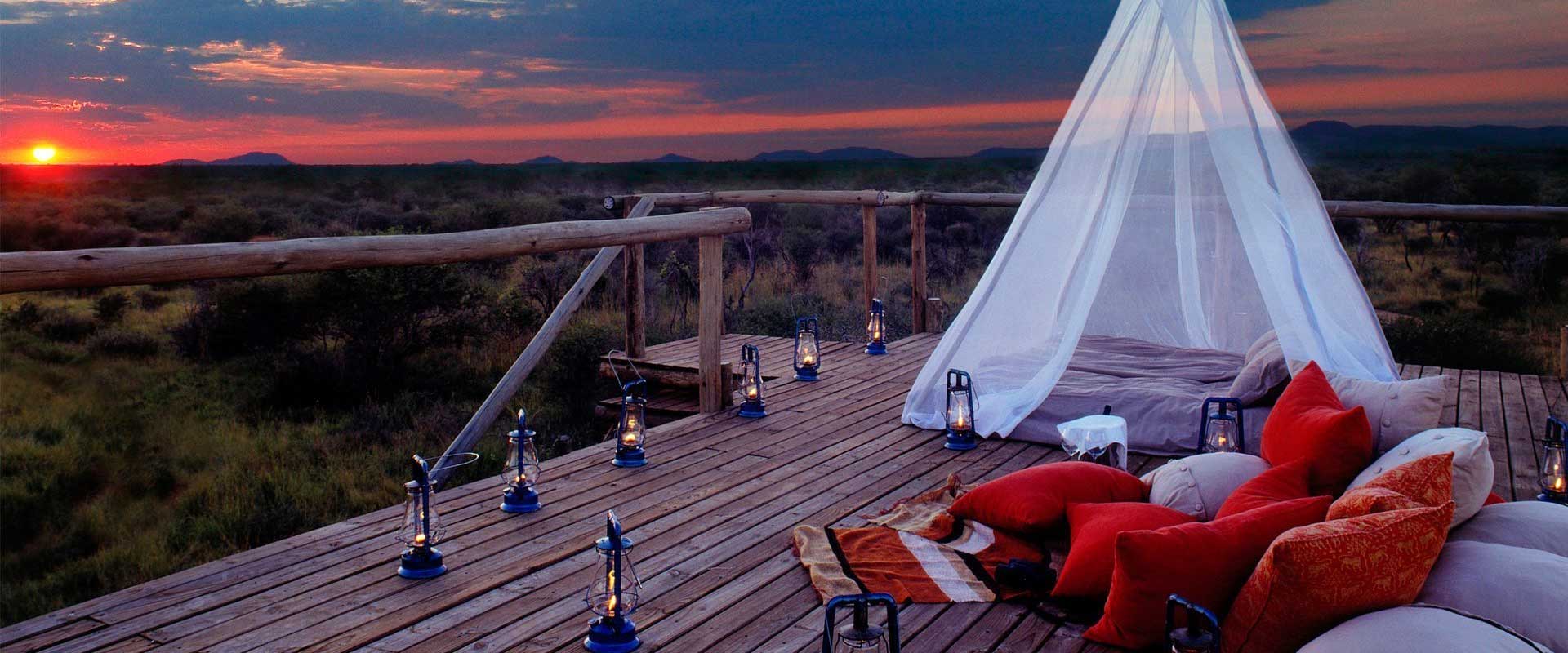
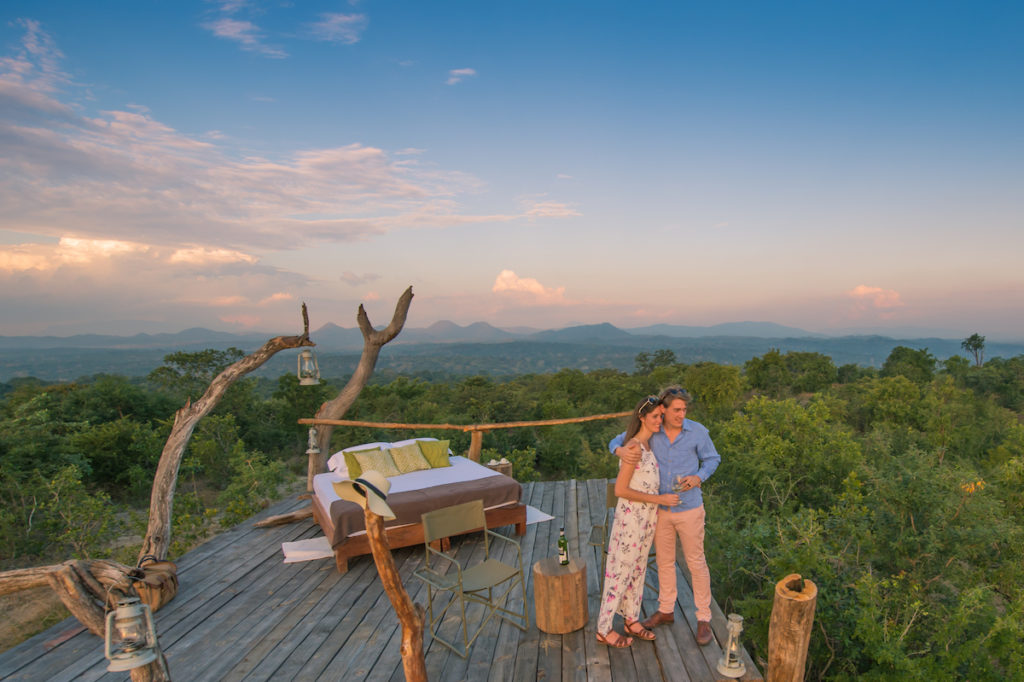
Stay in hand-picked luxury safari lodges and boutique tented camps that blend modern luxury with authentic African charm. Expect:

  • Spacious en-suite suites with private decks.
  • Gourmet cuisine and fine wines.
  • Infinity pools, spa treatments, and sundowner experiences.

What’s Included in Your Luxury Safari?

  • All-inclusive private safari experience.
  • Professional English-speaking guide.
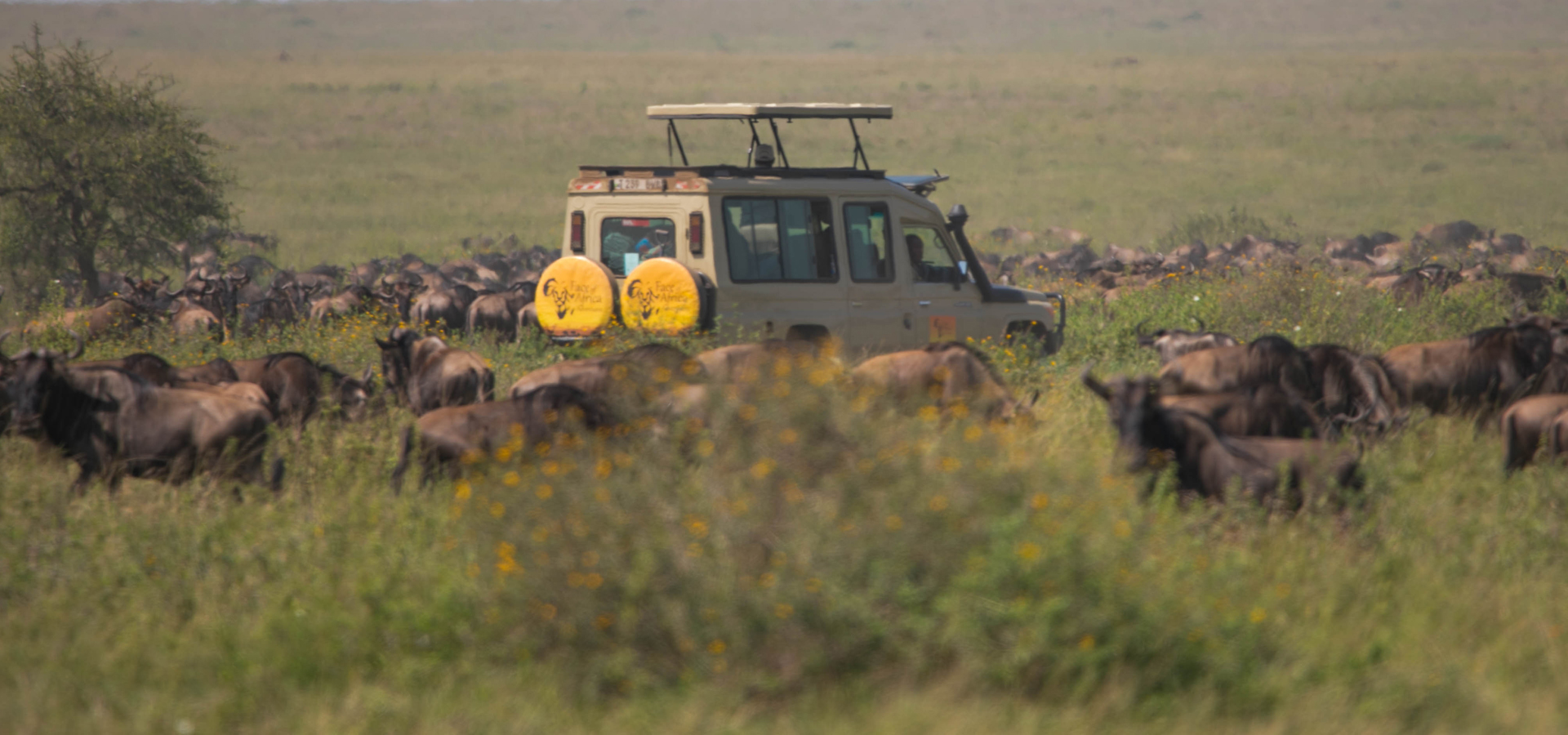
  • Exclusive 4x4 safari vehicle with unlimited game drives.
  • Premium accommodations with full-board meals.
  • Park fees and internal flights (as required)

Best Time for a Luxury Safari in Tanzania

The dry season (June to October) is perfect for wildlife viewing and the Great Migration. The calving season (January to March) offers exceptional predator sightings and lush landscapes.

Packages

Safari Packages

Destination

Top Tanzania Safari Destinations

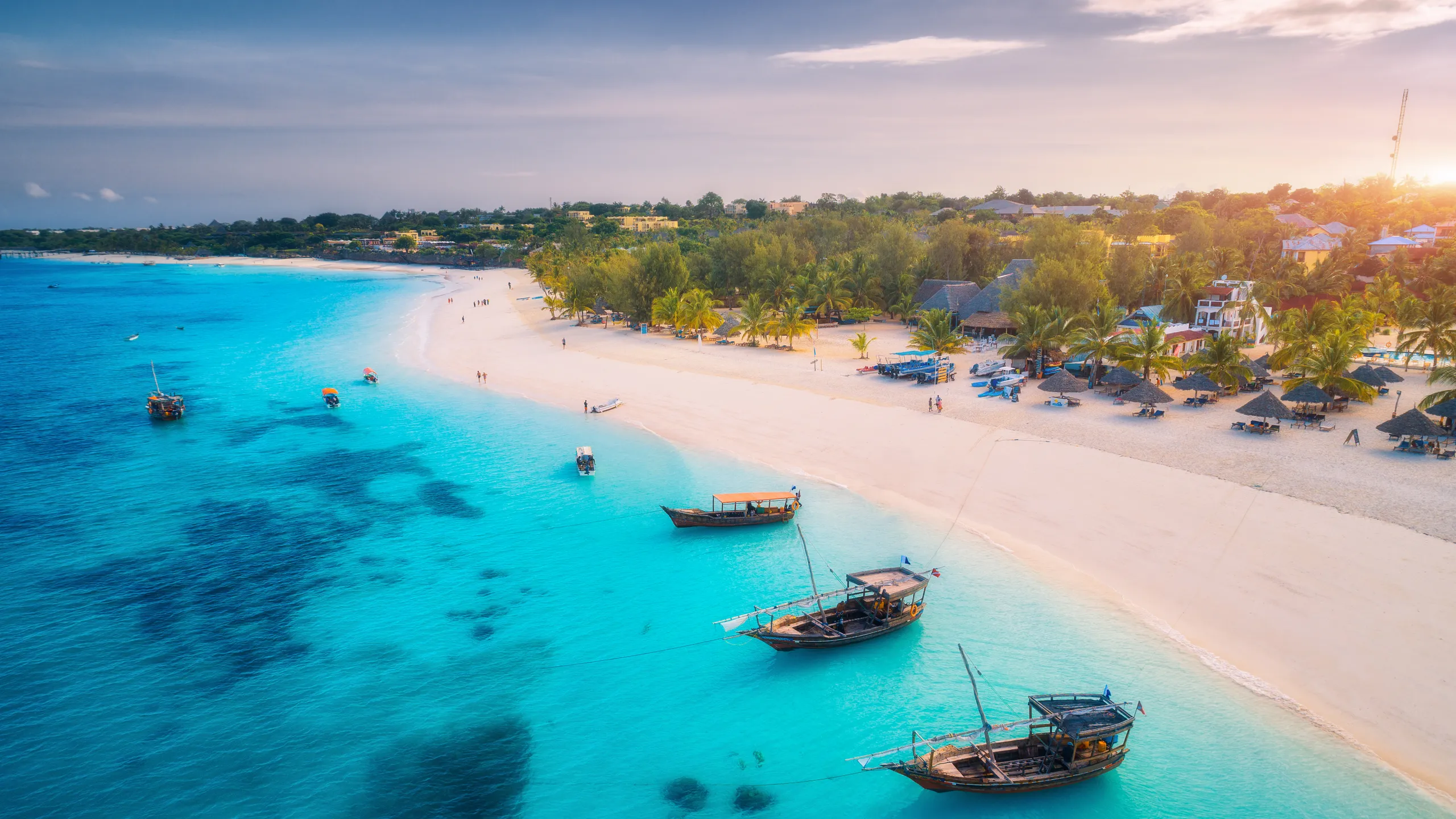
zanzibar
Zanzibar Beach

Zanzibar Beach Holiday

Read more
manyara
Tanzania National Park

Lake Manyara National Park

Read more
tarangire
Tanzania National Park

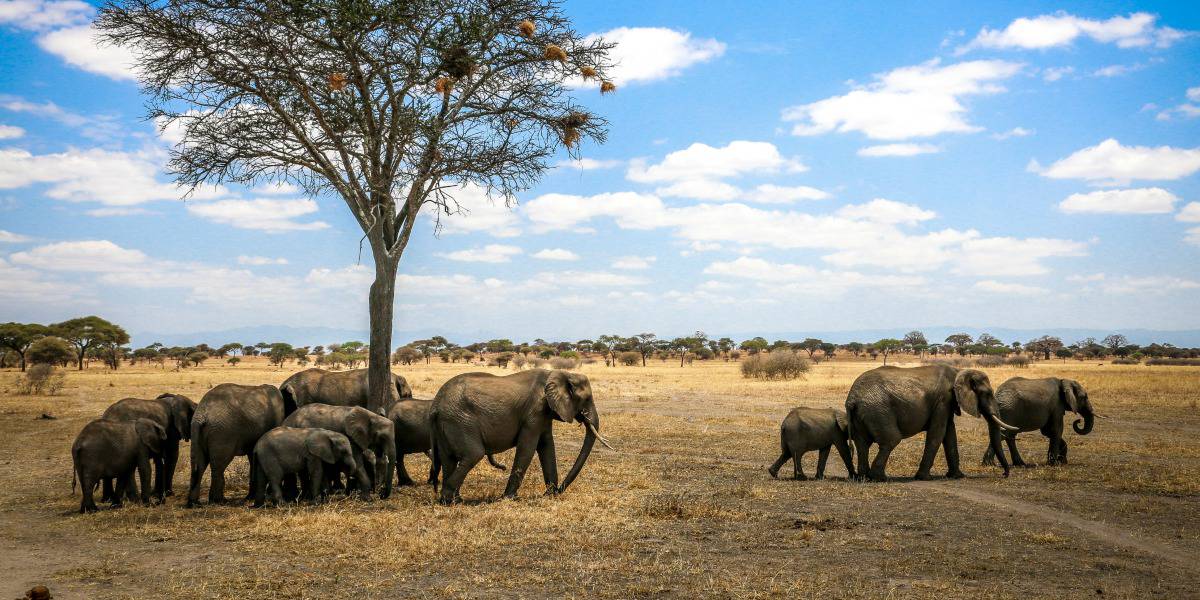
Tarangire National Park

Read more
serengeti
Tanzania National Park

Serengeti National Park

Read more
machame
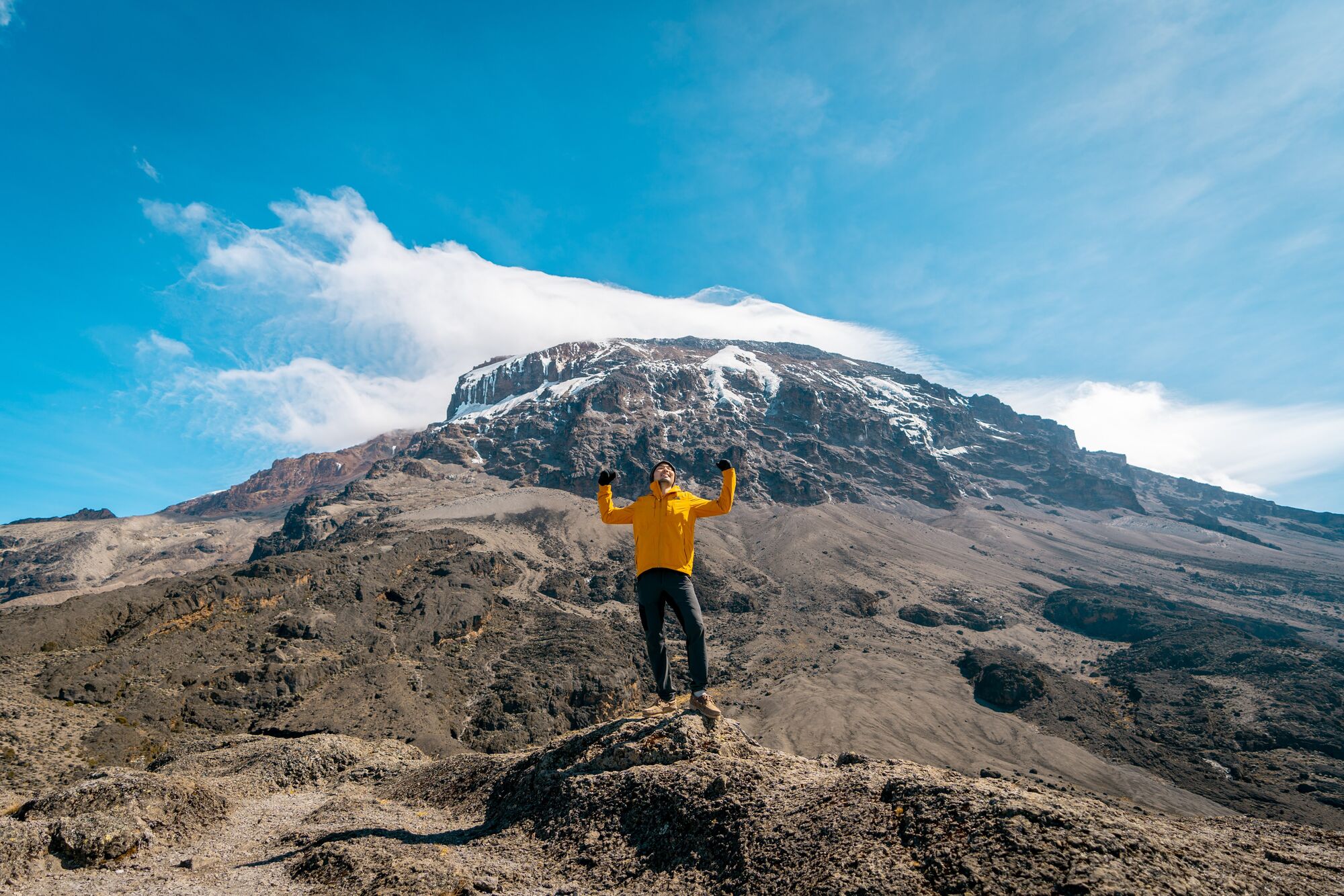
Kilimanjaro Hiking

Mountain Kilimanjaro

Read more
arusha
Tanzania National Park

Arusha National Park

Read more
gombe
Tanzania National Park

Gombe National Park

Read more
Explore Tour

Safari Options to Suite Every Traveler

Tanzania offers a wide range of safari options tailored to meet the needs of every traveler. For those seeking comfort and exclusivity, Luxury Safaris provide premium lodges and tented camps with exceptional service and amenities. Budget Camping Safaris cater to adventure enthusiasts looking for affordable ways to experience nature up close. Families can enjoy Family Safaris, designed with child-friendly activities and accommodations to ensure safety and fun for all ages. Meanwhile, couples can indulge in Honeymoon Safaris, featuring romantic retreats in secluded wilderness settings, perfect for creating unforgettable memories. No matter your preference, Tanzania’s safari experiences promise thrilling adventures and lifelong memories.

Image
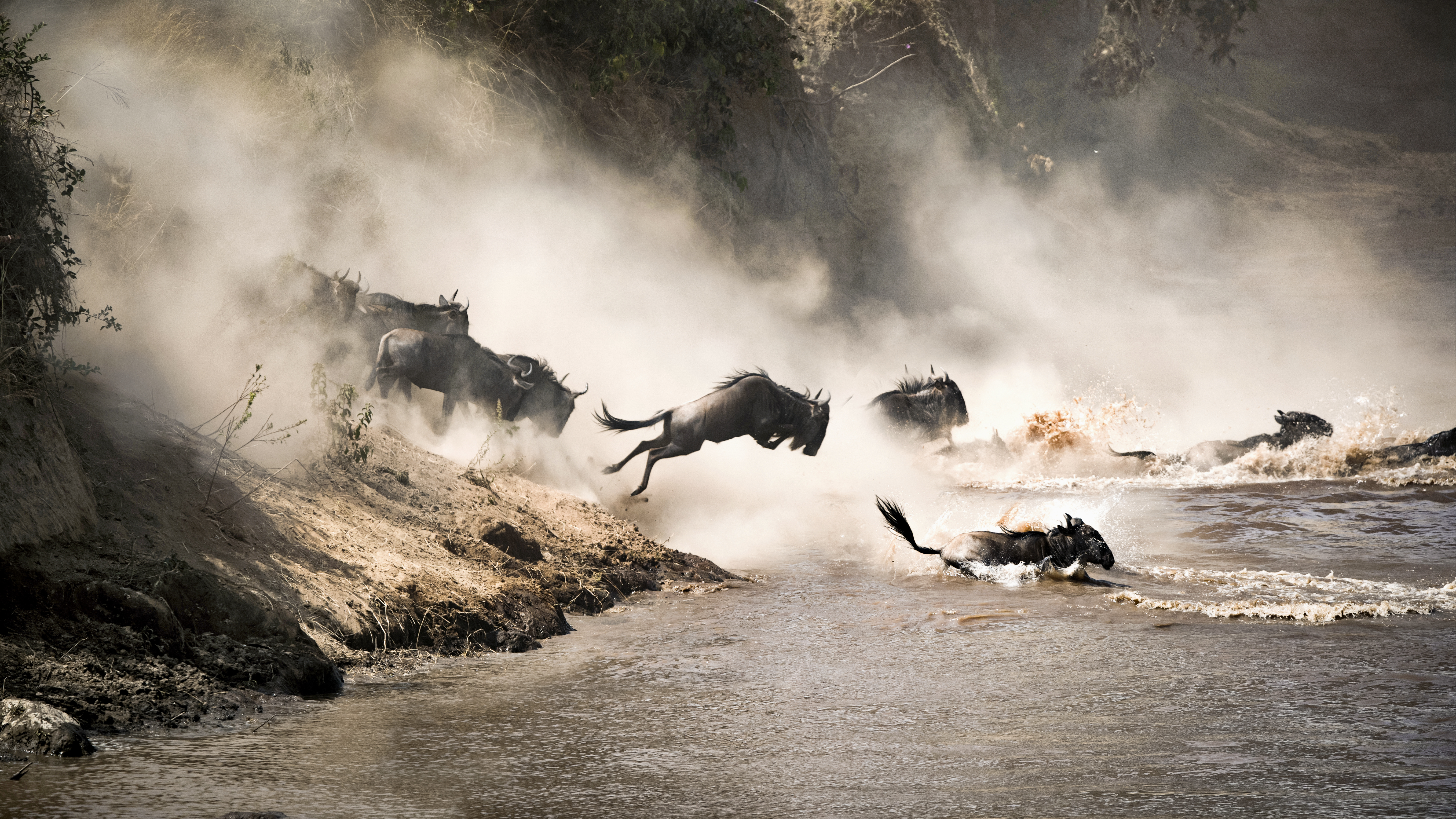
Wildebeest Migration Safari
Read more
Image
Honeymoon Safari
Read more
Image
Family Safari
Read more
15% Off
Image
Flying Safari
Read more
Image
Luxury Safari
Read more
50% Off
Image
Zanzibar Beach Holiday
Read more

When Is The Best Time To Visit Tanzania?

The best time for a Tanzania safari is from late June to October. There are two rainy seasons: April to May (long rains) and November to December (short rains). During the long rains, some safari camps may close due to heavy downpours, and the short rains bring occasional brief showers. Most safari areas have warm days and cool evenings, except for Mount Kilimanjaro and Mount Meru, where temperatures drop below freezing. Coastal and lakeside regions are hot and humid. The dry season is recommended for first-time safari-goers as it makes it easier to track and spot wildlife.

Peak Season

Mixed Season

Low Season

Tanzania has 2 rainy seasons and 2 dry seasons. The short dry season is from late January to early March, while the long dry season lasts from June to October. The short rains occur from November to January, and the long rains from late March to May, with April being particularly lush and invigorating for travel.

The weather patterns vary depending on your chosen location in Tanzania. The northern parks are likelier to experience dry spells, while the western parks remain wet throughout. February is the best time of year to witness wildebeest calves, with the migratory herds in full view.

The Ngorongoro Highlands usually have brief rainfall in the late afternoon, so the mornings are generally dry and great for seeing animals. March is typically dry, but sometimes the rain comes early, so it’s a time of waiting and possible change.

This month is usually the rainiest time of the year with frequent afternoon thunderstorms and occasional heavy rain at night. There can also be some cloudy, overcast days.

In early May, it’s usually rainy, but as the month goes on, it gets drier and road repairs start, making it easier to travel around parks and the countryside by car. The plants and trees look great after all the rain, and most plant-eating animals are in good shape because there’s plenty of food and water for them.

In June, the dry season is in full swing, and the western Serengeti is buzzing with activity as huge herds of wildebeest journey through the area. The transition from green to yellow across the savannah is a captivating sight, and the clearing vegetation offers incredible opportunities to spot diverse wildlife.

The best time for a safari in Tanzania is right now, and the weather is dry. If you visit in July or August, it will be busy, especially in the northern parks. If you’re thinking about going to Zanzibar, consider looking into some quieter spots in the Indian Ocean.

In August, lots of tourists from the US and Europe visit the safari areas in the north and Zanzibar. The weather is really nice, but it can get quite windy and there are often wildfires in the dry grasslands.

Visitor numbers may be dwindling, but the absence of rain has led to lower humidity and fewer mosquitoes. The transforming landscapes, with their brown hues, are a testament to the resilience of the migrating animals. As they concentrate around the Mara River, the majestic sight of wildebeest and zebra crossing back and forth in search of sustenance near the water is a powerful reminder of nature’s determination.

As the thunderclouds gather and late October approaches, the initial rains are usually expected. During this time, the wildebeest migrate southward, while Mount Kilimanjaro remains a popular destination for climbers. October offers excellent wildlife viewing due to minimal vegetation, resulting in high-quality sightings. Tourist activity is notably reduced during this shoulder season, making it an ideal time to visit the most popular tourist attractions.

Tanzania is an ideal destination for safari during this particular month, often overlooked by many. Despite the likelihood of intermittent afternoon thundershowers, the overall experience is rewarding. The northern parks, in particular, offer excellent game viewing opportunities throughout the year, with the Serengeti also benefiting from the rainfall.

In December, there are short periods of rain and wet weather, but it’s generally a good time to visit. The number of tourists is low at the beginning of the month, but it gets very busy for the two weeks around Christmas and New Year’s. It’s best to book your travel well ahead of time to avoid any last-minute rush.

Tanzania Safari:

High Season vs. Low Season

High Season

  1. Wildlife Viewing:
    • Excellent wildlife viewing as animals congregate around water sources.
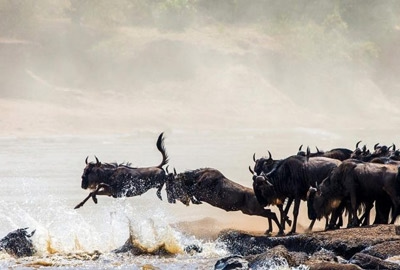
    • The Great Migration occurs, particularly the dramatic river crossings.
  2. Weather:
    • Dry season with minimal rainfall.
    • Pleasant temperatures, cooler nights, and warm days.
  3. Landscape:
    • Sparse vegetation, making wildlife easier to spot.
  4. Crowds:
    • Higher number of tourists; popular parks and lodges can be crowded.
    • Advance bookings required for accommodations and tours.
  5. Cost:
    • Higher prices for lodges, camps, and tours due to demand.
  6. Activities:
    • Optimal conditions for game drives and walking safaris.

Low Season

  1. Wildlife Viewing:
    • Good wildlife viewing, though animals are more dispersed.
    • The calving season in the Southern Serengeti (January to March) offers unique sights.
  2. Weather:
    • Rainy season, especially from March to May (long rains) and November to December (short rains).
    • Greener landscapes but potential for rain showers.
  3. Landscape:
    • Lush, green scenery and fewer dusty conditions.
  4. Crowds:
    • Fewer tourists; parks and lodges are less crowded.
    • More flexibility and availability for accommodations and tours.
  5. Cost:
    • Lower prices and potential discounts on lodges, camps, and tours.
  6. Activities:
    • Bird watching is at its peak with migratory species present.
    • Some roads and parks may be less accessible due to rain.

Popular questions about Tanzania Luxury Safari

A standard luxury package includes private game drives, all‑inclusive stays at 5‑star lodges, gourmet meals, professional guides, park fees, and options such as balloon safaris and internal flights.

You’ll visit top destinations: Serengeti for the Great Migration, Ngorongoro Crater for its wildlife-rich caldera, plus Tarangire, Lake Manyara, and other exclusive reserves.

The dry season (June–October) is ideal—great for migration viewing and wildlife visibility. Calving season (January–March) offers dramatic predator action, while short rainy months bring fewer tourists and lush scenery.

Absolutely. All our luxury safaris are private and customizable, tailoring accommodation, safari duration, activities, and pace to your preferences.

Yes—balloon safaris are a highlight for many guests. They can be added to any luxury package, offering stunning aerial views over the Serengeti plains at sunrise.