
Why Preparation Matters For Climbing Mount Kilimanjaro
Climbing Mount Kilimanjaro is a life-changing adventure, but it’s no walk in the park. At 5,895 meters (19,341 feet), Africa’s highest peak challenges your endurance, willpower, and altitude tolerance. Whether you’re an experienced hiker or a first-time trekker, proper Kilimanjaro preparation is the key to a successful and safe summit.
This guide will walk you through everything you need to know—from physical training and gear to mental preparation and altitude awareness.
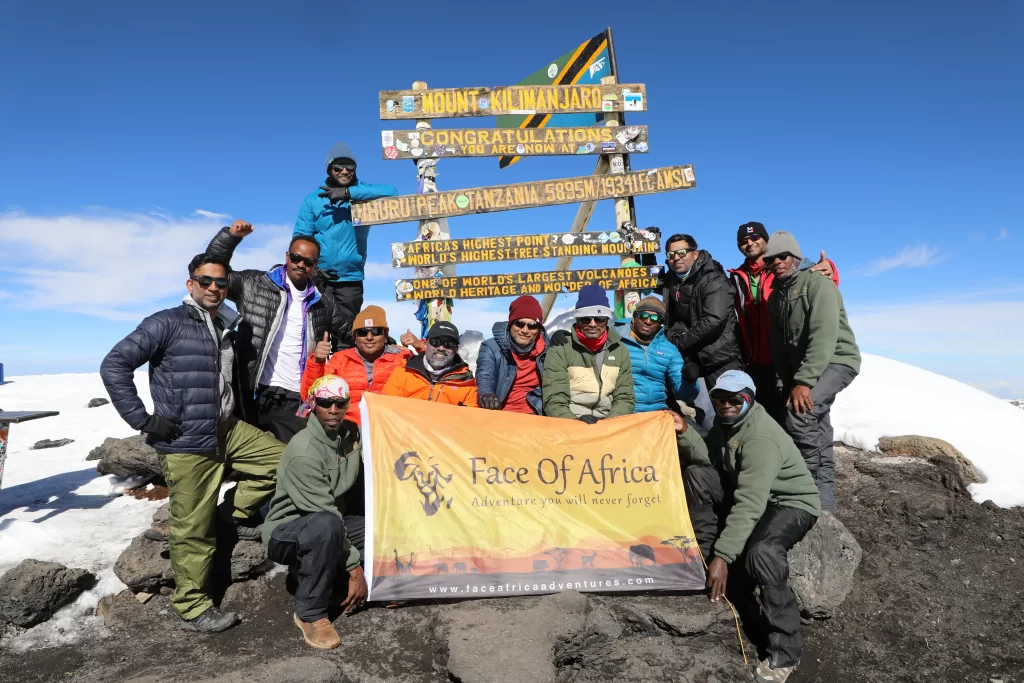
1. Physical Training for Climbing Mount Kilimanjaro
One of the top climb Kilimanjaro tips is to start training early. While Kilimanjaro is a non-technical trek, it demands good cardiovascular fitness, strength, and stamina.
Cardio & Endurance (3–4 times per week)
- Hiking (with a backpack) is best.
- Mix in running, swimming, or cycling.
- Practice long walks at a steady pace.
Strength Training (2–3 times per week)
- Focus on legs, core, and back.
- Include squats, lunges, step-ups, planks.
Elevation Training
- Hike local hills or use a stairmaster.
- If available, train at altitude or use a hypoxic mask.
Start at least 8–10 weeks before your climb for optimal results.
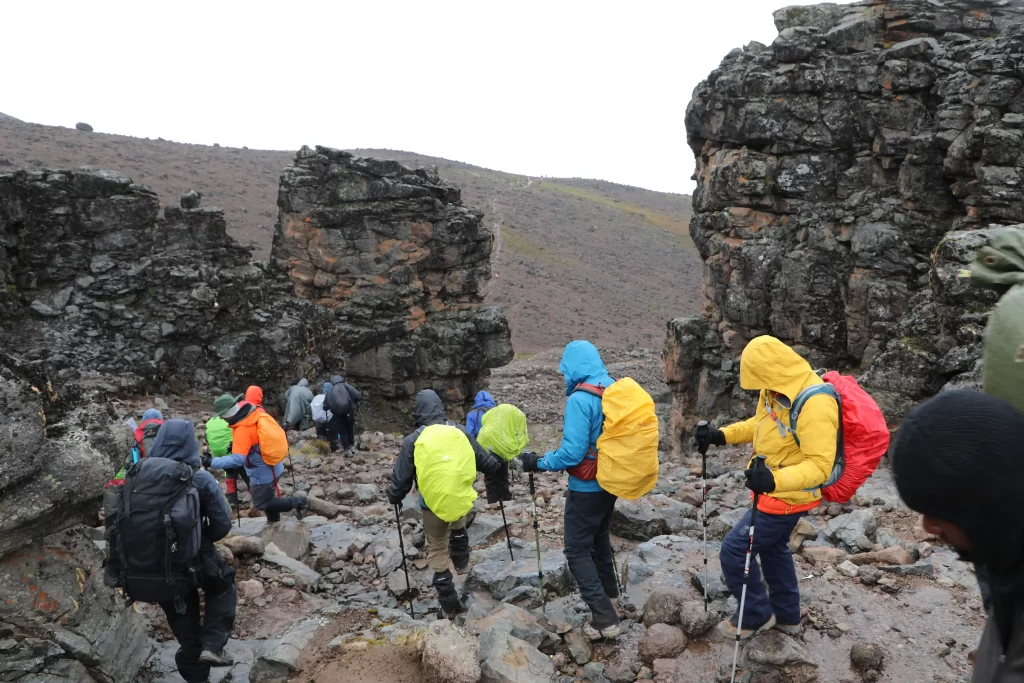
2. Gear Up: What You’ll Need
Investing in the right gear can make your climb safer and more comfortable.
Essential Items:
- Broken-in hiking boots (waterproof)
- Thermal base layers
- Insulated down jacket
- Waterproof outer layers (jacket and pants)
- Warm hat, gloves, buff/neck gaiter
- UV sunglasses & sunscreen
- Daypack (20–30L) with hydration system
- Headlamp with extra batteries
- Sleeping bag rated to -10°C or lower
Pro tip: Test your gear during training hikes.
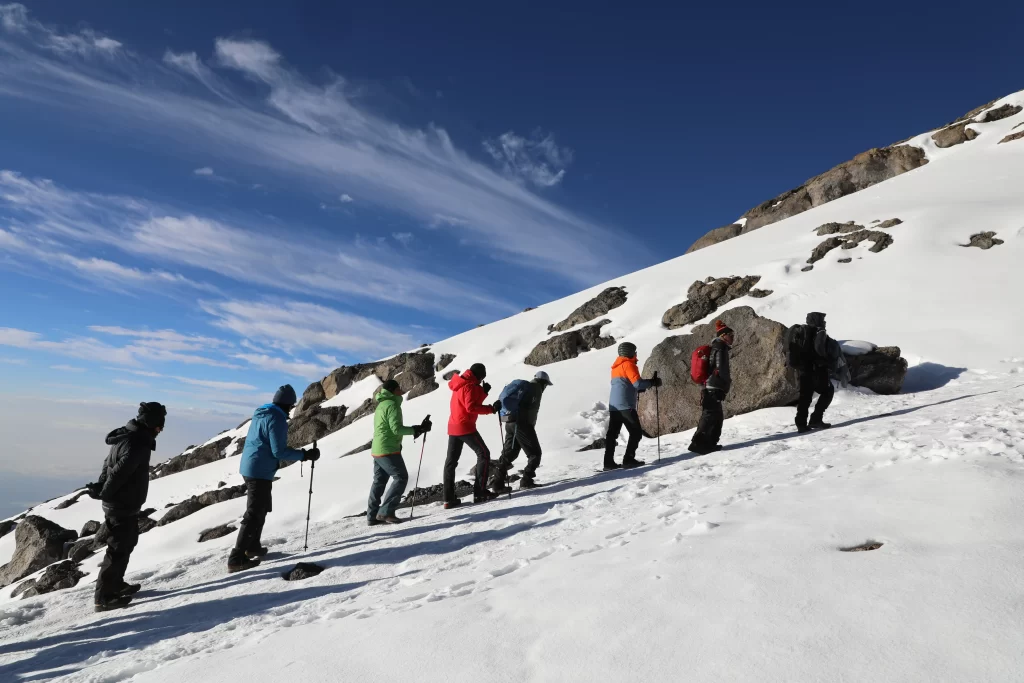
3. Mental Preparation
Altitude, long days, cold nights, and simple food can challenge your spirit. Prepare mentally by:
- Setting realistic expectations
- Practicing mindfulness or breathing techniques
- Reading blogs or watching summit videos
- Talking to past climbers
Remember, mental strength is just as important as physical strength on Kilimanjaro.
4. Understand Altitude and Acclimatization
One of the biggest reasons people fail to summit Kilimanjaro is altitude sickness.
Tips to Prevent Altitude Sickness:
- Choose longer routes (7–9 days) for better acclimatization (e.g. Lemosho or Northern Circuit)
- “Pole pole” – go slowly and listen to your guide
- Stay hydrated (3–4 liters per day)
- Eat well, even if you lose appetite
- Avoid alcohol and smoking
- Consider consulting your doctor about Diamox
5. Choose the Right Route
Your route can impact your success. Here’s a quick comparison:
| Route | Duration | Scenery | Success Rate |
|---|---|---|---|
| Machame | 6–7 days | Diverse & scenic | High |
| Lemosho | 7–8 days | Less crowded, scenic | Very high |
| Marangu | 5–6 days | Hut accommodation | Moderate |
| Northern Circuit | 9 days | Most gradual, quiet | Highest |
Choose a route that suits your pace, budget, and interest in scenic variety.
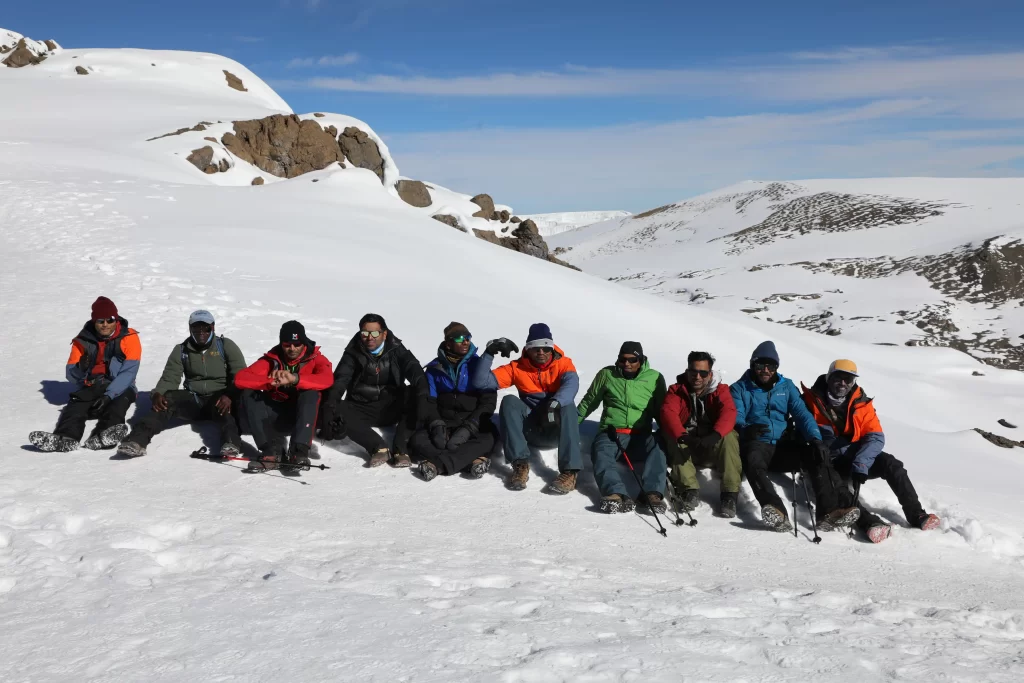
6. Packing Tips & Travel Logistics
Travel Planning:
- Fly into Kilimanjaro International Airport (JRO)
- Arrive at least 1 day early to rest and check gear
- Make sure your travel insurance covers high-altitude trekking
Packing Tips:
- Use dry bags inside your duffel to keep items dry
- Keep essentials (jacket, snacks, medicine) in your daypack
- Pack extra batteries—cold weather drains them faster
Final Thoughts
Climbing Kilimanjaro is one of the world’s greatest achievements—reachable by ordinary people with the right mindset and preparation. By focusing on fitness, gear, mental strength, and altitude awareness, you’ll dramatically improve your chances of reaching the summit.
Ready to Climb?
At Face of Africa Adventures, we’ve helped hundreds of climbers summit Kilimanjaro safely and confidently. Whether you’re looking for private treks, group departures, or custom itineraries—we’re here to guide you every step of the way.
Contact us today to start planning your Kilimanjaro adventure!
Or explore our Kilimanjaro trekking packages for route options and prices.
Leave a Reply