
Climbing Mount Kilimanjaro is a bucket-list adventure for many. Learn how difficult the climb really is, whether beginners can succeed, and what to expect on your journey to Africa’s highest peak.
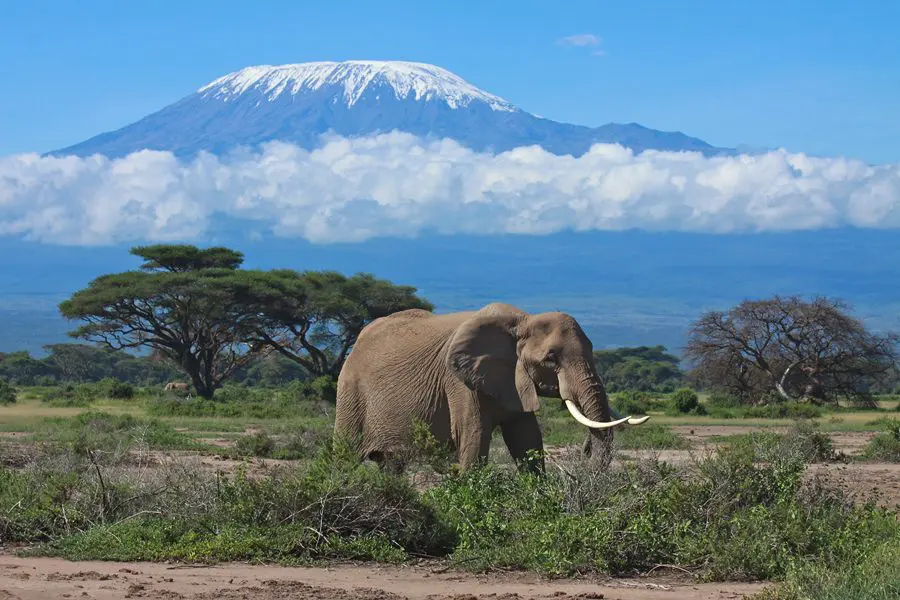
Mount Kilimanjaro, the crown of Tanzania and the highest freestanding mountain in the world, is one of the most iconic peaks on Earth. At 5,895 meters (19,341 feet), it looms high above the African plains, attracting thousands of adventurers each year. While many dream of standing on its snow-capped summit, there’s often one lingering question: How difficult is climbing Mount Kilimanjaro?
Let’s dive deep into the reality of the climb—its challenges, what makes it achievable, and whether beginners can truly take it on.
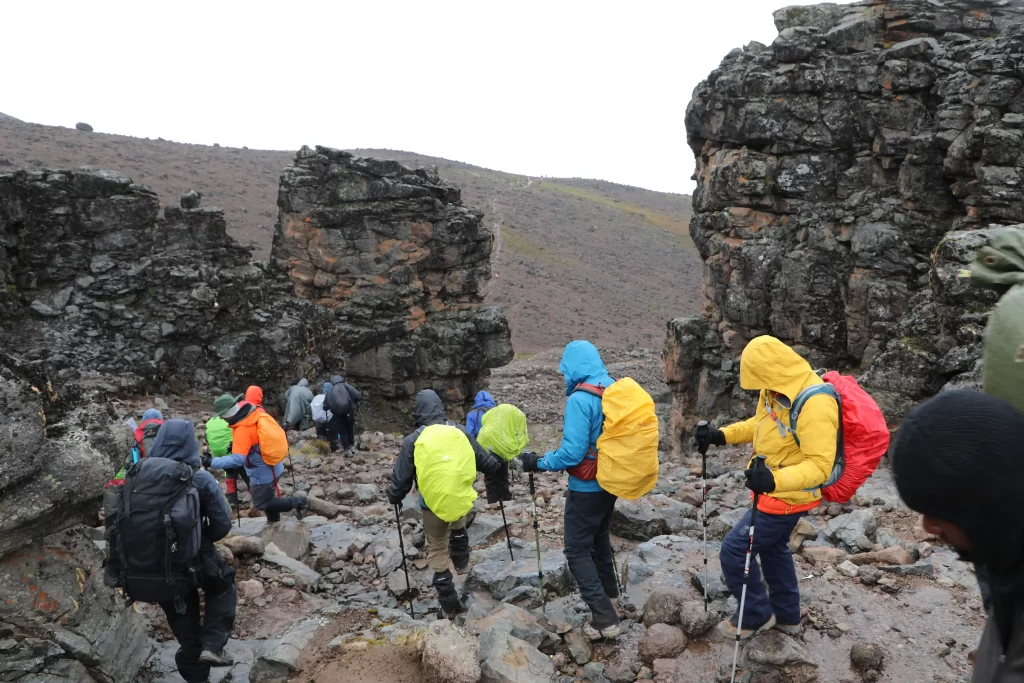
How Difficult Is Mount Kilimanjaro to Climb?
At first glance, Mount Kilimanjaro might seem like a technically demanding expedition, but here’s the truth: Climbing Mount Kilimanjaro doesn’t require any mountaineering experience, ropes, or technical climbing skills. It’s a trek, not a climb in the traditional alpine sense.
That said, this doesn’t mean it’s easy. The difficulty lies in three main areas:
1. Altitude
The greatest challenge is undoubtedly the altitude. As you ascend, the air becomes thinner, and your body gets less oxygen. Altitude sickness—also known as acute mountain sickness (AMS)—can strike anyone, regardless of age, fitness, or previous trekking experience.
Symptoms may include headaches, nausea, dizziness, fatigue, and even shortness of breath. That’s why climbers are encouraged to go “pole pole” (slowly, slowly in Swahili) and allow proper acclimatization over several days. Most successful treks range between 6 to 8 days.
2. Weather and Climate
Climbers face a variety of ecosystems—from tropical forests and alpine deserts to arctic-like summit zones. You’ll go from warm, humid air at the base to freezing temperatures at the summit. Hypothermia, sunburn, and dehydration are all real risks if you’re unprepared. Proper layering, hydration, and sun protection are vital.
3. Mental and Physical Stamina
While climbing Mount Kilimanjaro doesn’t require elite fitness, it does demand consistent stamina and mental resilience. The final push to the summit, often starting around midnight, is particularly grueling. You’ll walk for 6-8 hours in the dark, uphill, at high altitude, in cold and windy conditions. That’s the mental battle you’ll need to win.
Can a Beginner Climb Kilimanjaro?
Absolutely—beginners can and do successfully climb Mount Kilimanjaro every year. It’s considered one of the most accessible high-altitude treks in the world, making it a favorite for first-timers. But that doesn’t mean you can just show up without preparation.
Here are five essential factors beginners must consider:
1. Pick the Right Route
There are several routes to the summit, each with its own level of difficulty and success rate. Some routes are better suited for acclimatization, which is key for beginners.
- Lemosho Route (7-8 days): Known for beautiful scenery and high success rates.
- Machame Route (6-7 days): Popular and scenic but slightly more demanding.
- Rongai Route (6-7 days): Quieter, with a gradual ascent—great for beginners.
- Marangu Route (5-6 days): The shortest route, but with lower success rates due to less acclimatization time.
If you’re a beginner, choose a route that allows at least 7 days for acclimatization. The more time you spend ascending slowly, the better your chances of reaching the top.
2. Train in Advance
While you don’t need to be an athlete, a solid base of fitness will make your climb safer and more enjoyable. Begin training at least 2-3 months before your trek. Focus on:
- Cardiovascular endurance (hiking, running, cycling)
- Leg strength (lunges, squats, hill climbing)
- Hiking practice with a backpack
- Long walks (6-8 hours) to simulate a full trekking day
3. Invest in the Right Gear
You don’t need high-end mountaineering equipment, but proper clothing and footwear are critical. Good hiking boots (already broken in), moisture-wicking base layers, a warm insulated jacket, gloves, thermal hats, and a reliable daypack are must-haves.
4. Go With a Trusted Guide
Booking with a reputable operator like Face of Africa Adventures ensures you’ll have experienced guides, medical support, nutritious meals, and responsible porters. Our team is trained to monitor your health, provide encouragement, and adjust plans if needed.
5. Know Your Body and Listen to It
Beginners must be particularly mindful of how they’re feeling at altitude. Communicate openly with your guide if you experience any symptoms of altitude sickness. Taking rest days or using medication like Diamox may be advised.
What Is the Hardest Part of Climbing Kilimanjaro?
Without a doubt, the summit night is the hardest part of the entire Kilimanjaro experience.
Summit Night Breakdown:
- Start Time: Around midnight
- Duration: 6-8 hours to Uhuru Peak, 2-3 hours down to base camp
- Altitude Gain: 1,200+ meters
- Temperature: Often below freezing, with strong winds
- Terrain: Loose scree, steep switchbacks, darkness
Despite being well-acclimatized, this is when most climbers face their biggest mental and physical challenge. You’re tired, cold, and your body is working harder due to the altitude. Many climbers report this as the moment they had to dig deep and remind themselves why they came.
But here’s the thing—reaching Stella Point and then Uhuru Peak as the sun rises is life-changing. The exhaustion fades as you witness the curved horizon, glaciers, and the African plains below. The sense of achievement is indescribable.
And once you descend, you realize something incredible: you did it—you climbed the Roof of Africa.
Success Rates and Why Many Succeed
On average, about 65% of all climbers reach the summit, but with proper acclimatization (7+ day routes), success rates jump to over 90%. This is encouraging news for beginners!Face of Africa Adventures prioritizes your safety and success by offering longer itineraries, expert guides, and pre-climb preparation support. Our goal isn’t just to get you to the top, but to get you there safely and joyfully.
Why Choose Face of Africa Adventures?
As a locally owned and operated tour company, Face of Africa Adventures brings authentic knowledge, trained mountain staff, and personalized service to every trek. We don’t just guide you up the mountain—we support your dream of climbing Mount Kilimanjaro from start to finish.
Our team is deeply familiar with the routes, understands the needs of beginners, and has a high track record of summit success. Plus, we follow ethical climbing practices, fair porter treatment, and sustainability initiatives.
Leave a Reply