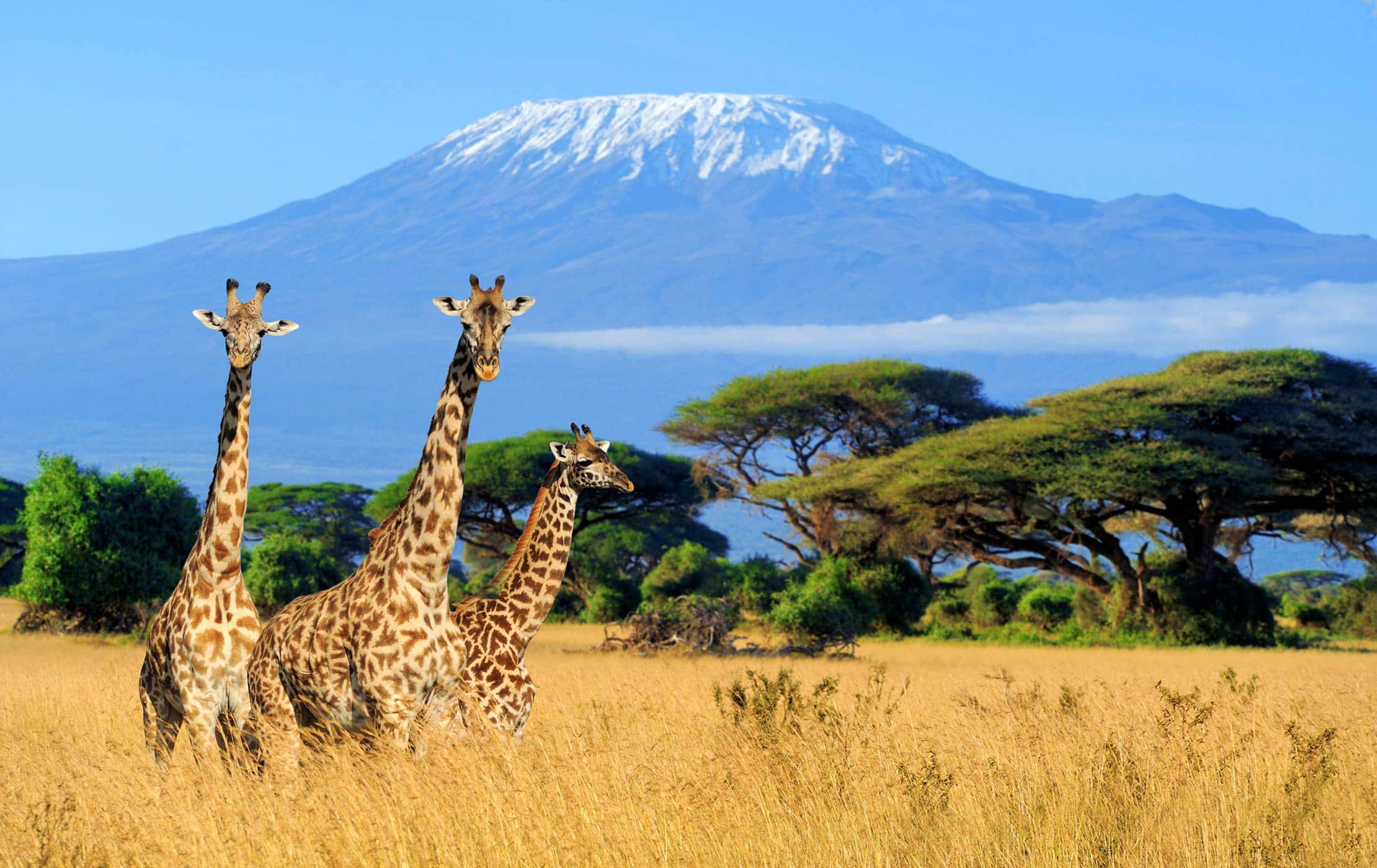
Climbing Mount Kilimanjaro is a once-in-a-lifetime adventure — a challenge that rewards you with breathtaking views, diverse landscapes, and the pride of standing on the “Roof of Africa.”
But one of the most common questions every climber asks is: “When is the best time to climb Mount Kilimanjaro?”
At Face of Africa Adventures, we want to help you choose the perfect season — one that matches your goals, comfort, and expectations. Here’s everything you need to know.
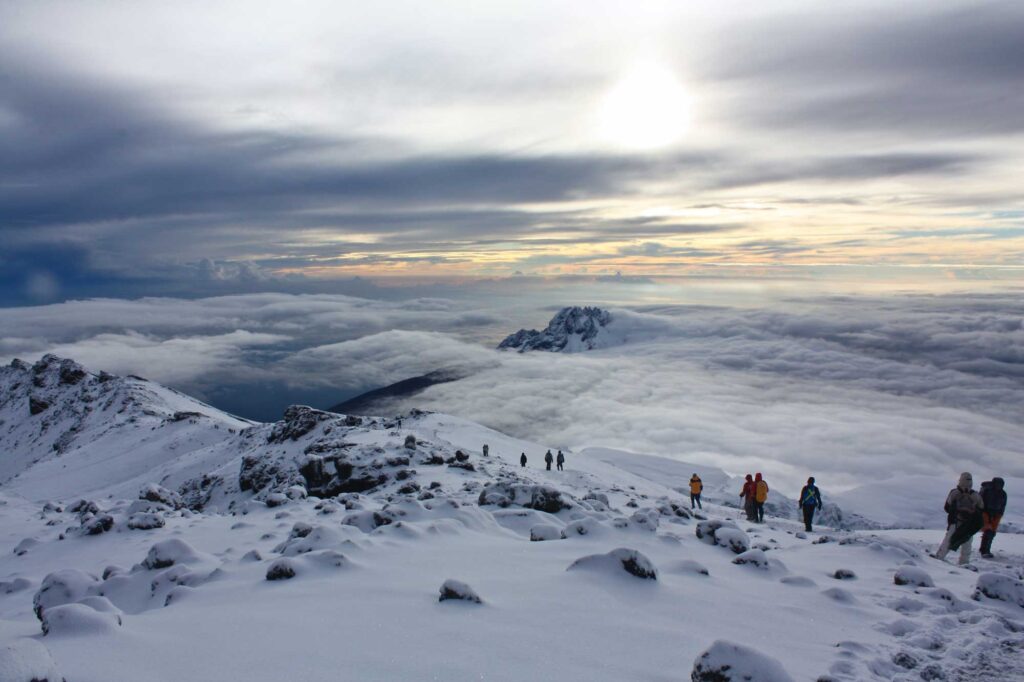
Kilimanjaro’s Weather and Seasons
Mount Kilimanjaro’s weather is influenced by its proximity to the equator rather than the seasons familiar to the northern or southern hemispheres.
Instead of summer and winter, Kilimanjaro experiences wet (rainy) and dry seasons.
Dry Seasons (Best Time to Climb)
- January to mid-March
- June to October
These months offer the clearest skies, best visibility, and comfortable trekking conditions. Trails are drier, the chance of rain is low, and summit views are spectacular.
Rainy Seasons (Challenging but Peaceful)
- Mid-March to May (long rains)
- November to early December (short rains)
During these months, the mountain is quieter, which appeals to experienced trekkers who prefer solitude and lush green scenery. However, expect slippery trails and cloudier views.
Best Months to Climb Kilimanjaro
| Month | Conditions | Recommendation |
|---|---|---|
| January – February | Warm, clear mornings, occasional showers | Ideal — excellent balance of weather and crowd levels |
| March – May | Heavy rains, muddy trails | Not recommended unless you want solitude |
| June – October | Dry, cool, stable weather | Best overall — perfect for summit success and photography |
| November – December | Short rains, lush vegetation | Moderate — fewer crowds and mild temperatures |
Why the Dry Season is the Best Time
- Clear skies: Enjoy stunning sunrises and panoramic views from the summit.
- Safer paths: Trails are less slippery and easier to navigate.
- Higher success rates: Stable weather improves your chances of reaching Uhuru Peak.
- Comfortable camping: Warm days and cool nights make for pleasant trekking conditions.
If you’re aiming for the best overall Kilimanjaro experience, plan your climb between June and October or January and February.
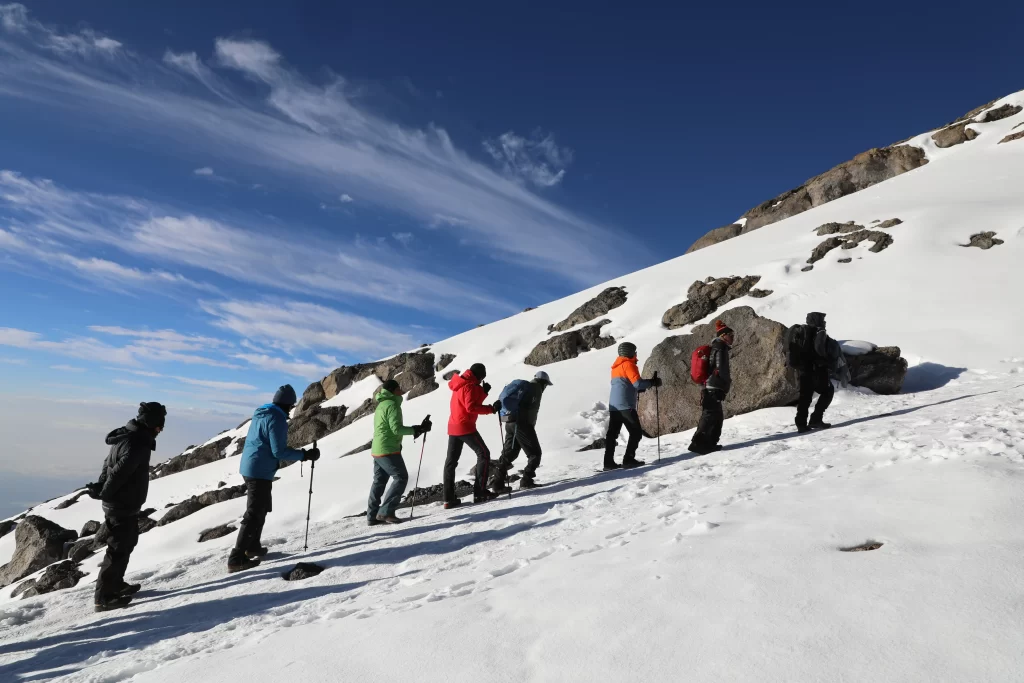
Why Some Climbers Choose the Rainy Season
While the rainy months bring challenges, they also offer unique rewards:
- Fewer climbers — enjoy the serenity of the mountain.
- Rich vegetation and vibrant scenery for photography.
- Lower prices and more availability in accommodations.
At Face of Africa Adventures, we can help you prepare with the right gear and route choice (like the Rongai Route, which stays drier during the rains).
Choosing the Right Route for the Season
- Dry Season: Machame, Lemosho, or Northern Circuit Routes — best for scenic views.
- Rainy Season: Rongai Route — approaches from the northern side with less rainfall.
Our expert guides will recommend the route that best fits your travel month and fitness level.
Plan Your Climb with Face of Africa Adventures
No matter when you choose to climb, our professional guides, chefs, and porters will ensure your comfort and safety every step of the way.
We provide well-maintained equipment, fresh meals, and expert altitude support to give you the best chance at reaching Uhuru Peak — and enjoying every moment of your journey.
Ready to Conquer Kilimanjaro?
Contact Face of Africa Adventures today to start planning your climb at the perfect time of year.
Book Your Kilimanjaro Climb | Contact Us
Leave a Reply