Kenya vs. Tanzania for the Great Migration: When, Where, and How Long It Lasts
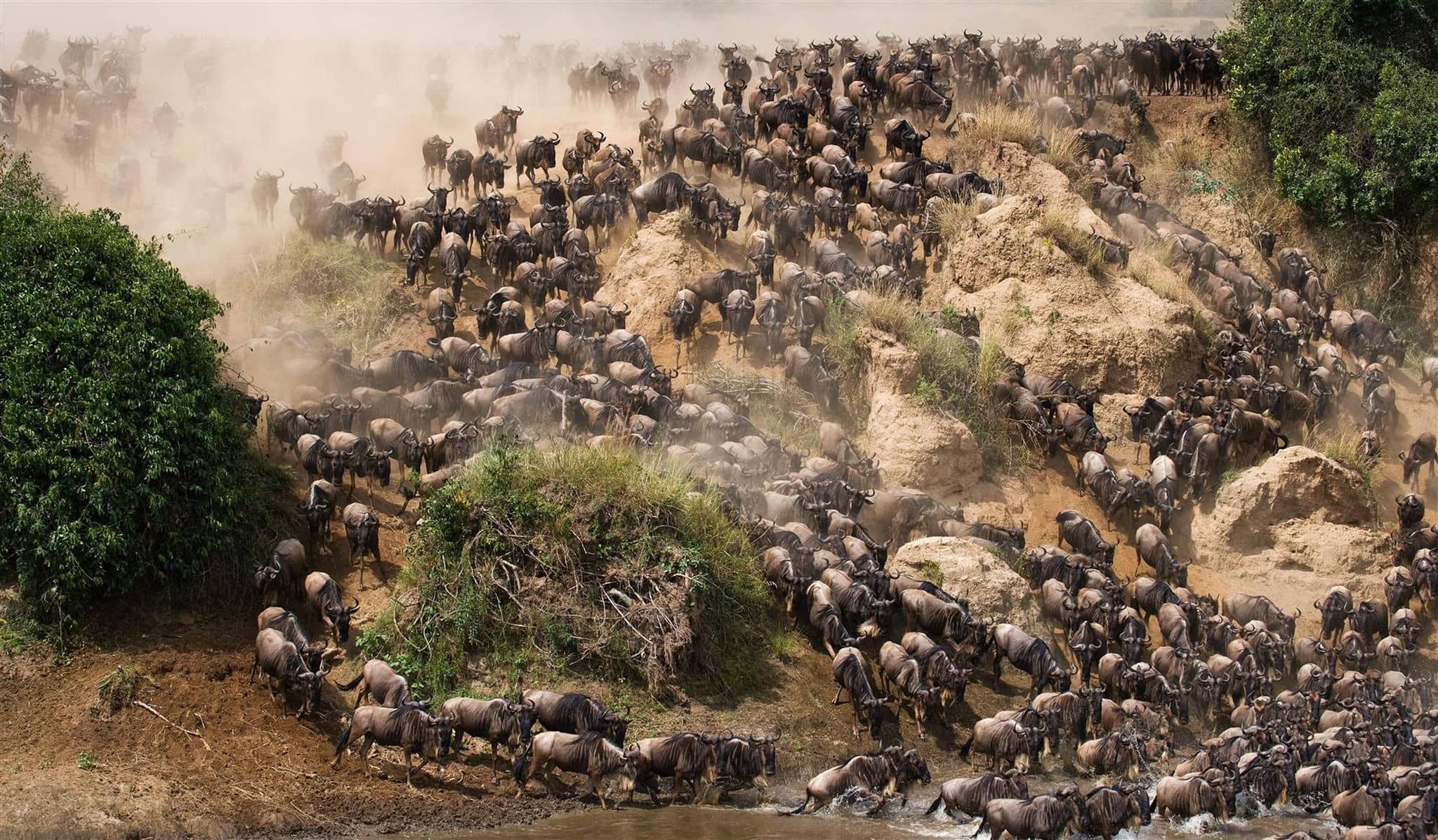
For many travelers, witnessing the Great Migration is the ultimate African safari experience. It’s nature’s grandest wildlife show, where over 1.5 million wildebeests, hundreds of thousands of zebras, and gazelles make an epic annual journey across the plains of East Africa. This natural spectacle spans two countries — Kenya and Tanzania — making travelers often wonder: Which is better for the Great Migration? And just as important: When is the best time to visit Tanzania for the migration, and how long does it actually take?At Face of Africa Adventures, we’ve guided countless guests on unforgettable Tanzania Safari Tours to witness this awe-inspiring event. Let’s dive into everything you need to know before planning your Great Migration Safari Tanzania adventure.
Is Kenya or Tanzania Better for the Great Migration?
Both Kenya and Tanzania offer remarkable opportunities to see the Great Migration — but your choice depends on what you want from the experience.
Why Tanzania is often the winner
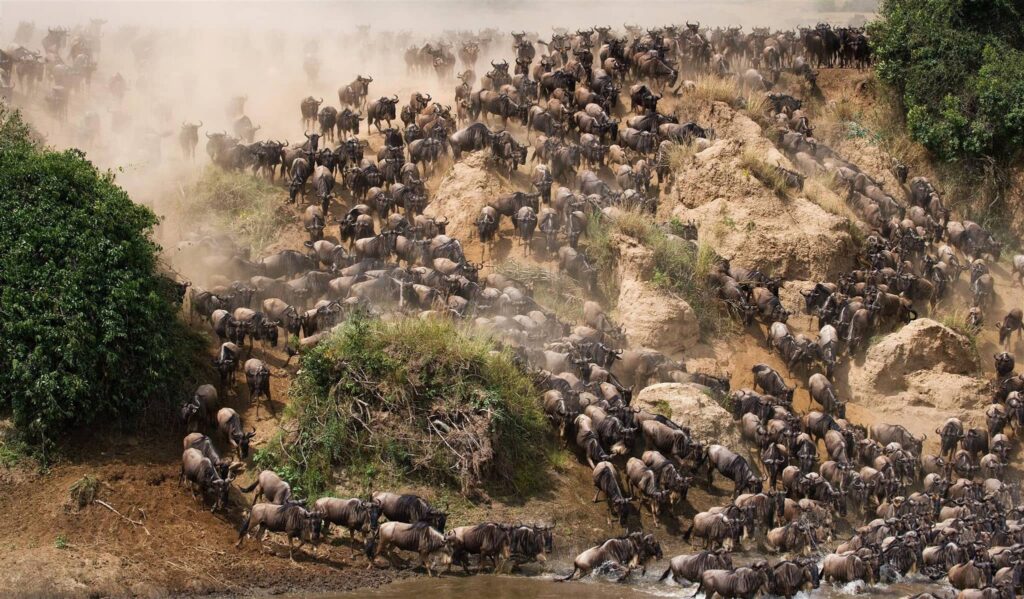
While the migration is shared between the two countries, Tanzania is home to the Serengeti National Park, where the herds spend most of their time — roughly 8 to 9 months of the year. That means your chances of encountering huge herds, dramatic predator action, and breathtaking scenery are much higher in Tanzania for most of the year.The Serengeti’s sheer size — about 14,750 square kilometers — offers vast open plains that let you follow the herds over multiple days. It’s also less crowded than the more compact Masai Mara in Kenya, which can feel busier during peak migration months.
Why some travelers choose Kenya
Kenya’s Masai Mara is famous for the dramatic Mara River crossings between July and October. This is when wildebeests leap into crocodile-infested waters in their desperate push north. Kenya also offers excellent infrastructure, with luxury camps and lodges close to prime viewing spots.Bottom line: If you want to see more of the migration across different phases and avoid heavy crowds, Tanzania is your best bet. If your goal is to witness intense river crossing action and you can only travel between July and October, Kenya can deliver. Many travelers choose an East Africa Safari Package that includes both countries, ensuring the best of both worlds.
Which Month is the Great Migration in Tanzania?
The migration is not a single event — it’s a year-round cycle. However, different months bring different spectacles in Tanzania:
January – March: Calving Season (Southern Serengeti & Ndutu)
From late January to early March, around 500,000 wildebeest calves are born in the short-grass plains of the Southern Serengeti and Ndutu area. This is the best time for photographers to capture adorable newborns and predators in action, as lions and cheetahs take advantage of the abundance of prey.
April – May: The Long March (Central Serengeti)
As the rains end, the herds start moving northwest toward the central Serengeti. The grass is lush, the landscape is green, and crowds are minimal — perfect for those who want a quieter Tanzania Safari Tour.
June – July: Grumeti River Crossings
By June, the herds gather in the Western Corridor, where they face their first major challenge — crossing the crocodile-filled Grumeti River. While not as famous as the Mara crossings, this is still a thrilling spectacle.
August – October: Northern Serengeti Drama
This is when part of the herds cross into Kenya’s Masai Mara, while others remain in Tanzania’s northern Serengeti, where Mara River crossings still occur. If you prefer fewer crowds than in Kenya but still want river-crossing drama, northern Serengeti in this period is ideal.
November – December: Return South
The herds head back to the southern Serengeti as the short rains begin, completing the cycle and preparing for the next calving season.In summary: There is no single month for the Great Migration in Tanzania — it’s a continuous movement. But for the most intense action, January–March for calving and June–October for river crossings are the top picks.
How Long Does the Great Migration Take?
The Great Migration is a full-year, continuous cycle — not just a short event. The wildebeests, zebras, and gazelles travel in a clockwise loop covering roughly 1,800 miles. It’s nature’s ultimate endurance race, driven by rainfall patterns and the search for fresh grazing land.
Here’s the yearly timeline in brief:
- January – March: Calving in southern Serengeti.
- April – May: Moving north through central Serengeti.
- June – July: Grumeti River crossings in western Serengeti.
- August – October: Mara River crossings in northern Serengeti/Kenya’s Masai Mara.
- November – December: Returning south to start the cycle again.
Because the herds are constantly moving, your Great Migration Safari Tanzania can be timed for different highlights depending on your travel month.
Why Choose Tanzania for Your Great Migration Safari?
At Face of Africa Adventures, we believe Tanzania offers unmatched opportunities for migration viewing for several reasons:
- Diverse experiences — From predator-rich plains in Ndutu to thrilling river crossings in the north, Tanzania offers the full migration story.
- Fewer crowds — While the Masai Mara can feel busy during peak season, Tanzania’s vast Serengeti gives you space to enjoy nature in peace.
- Extended viewing period — With the herds spending most of the year in Tanzania, your travel window is much larger.
- World-class safari options — From luxury lodges to authentic tented camps, Tanzania offers accommodation for every style and budget.
Tips for Planning Your Great Migration Safari in Tanzania
1. Choose the right month for your goals
If you want to see predator hunts and baby wildebeests, visit between January and March. For dramatic river crossings, aim for June–October.
2. Book early
The best lodges in migration hotspots fill up months in advance, especially for peak crossing season.
3. Consider a custom itinerary
Combining the Serengeti with Ngorongoro Crater, Tarangire, or even a few days in Kenya’s Masai Mara can create an unbeatable East Africa Safari Package.
4. Pack for variety
Weather can vary greatly across regions and months — bring layers, a good camera, and binoculars.
Final Thoughts
The Great Migration is not just a trip — it’s an emotional, once-in-a-lifetime experience. Whether you’re watching newborn wildebeests take their first steps in Ndutu, feeling the ground shake as thousands of hooves cross the Serengeti, or holding your breath during a tense river crossing, the magic of this journey stays with you forever.
While Kenya’s Masai Mara offers spectacular moments, Tanzania’s Serengeti gives you the broader story — more months, more space, and more opportunities to witness different migration phases.
At Face of Africa Adventures, we specialize in crafting unforgettable East Africa Safari Packages that bring you closer to the action. Our expert guides know the migration routes intimately, ensuring you’re always in the right place at the right time for your Great Migration Safari Tanzania.
If you’ve ever dreamed of standing on the endless plains, surrounded by millions of animals moving as one, now is the time to start planning. The herds are waiting — and so is your adventure.
Leave a Reply